


How to Safely Handle Bees and Wasps in Your Garden
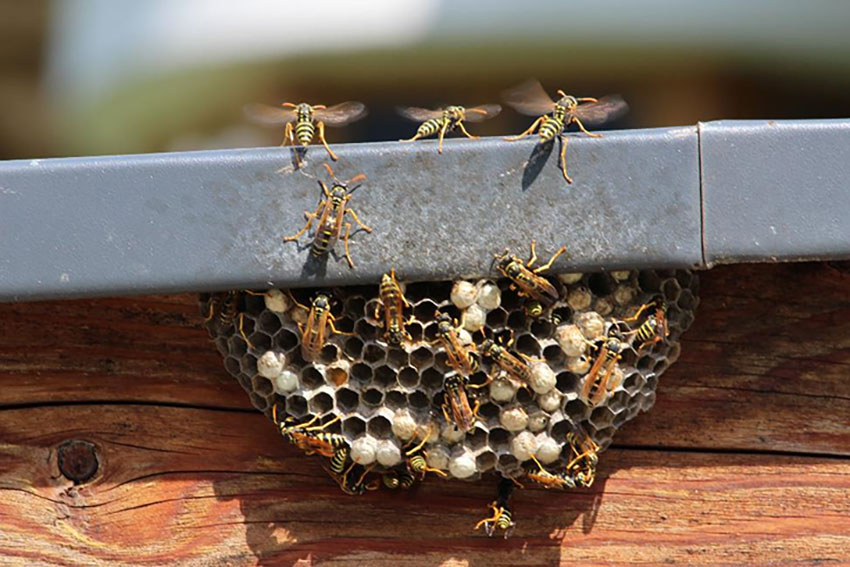
Dealing with bees and wasps in your garden is a delicate business because, whatever you do, these insects are important pollinators and keepers of ecological balance. Their presence can sometimes cause concern about stings, however. Learning how to live safely with them is key. Here’s a guide to safely handling bees and wasps in your garden.
1. Understand the Importance of Bees and Wasps
First, it’s important to acknowledge that bees and wasps are important to your garden. Our plants need to reproduce — and so do honeybees and native species — and bees do this for us, by pollinating. However, wasps are natural pest controllers and eat insects such as caterpillars and aphids. Knowing what their role is can help to make you more tolerant of their presence.
2. Identify the Species
Knowing the difference between bees and wasps can help you know what to do. Generally, bees are rounder, fuzzier, and wasps have more slender bodies with smooth skin. Honeybees are generally not aggressive, unless provoked, and some species of wasp are more territorial. Knowing the species can help you decide how to deal with them in your garden.
3. Observe from a Distance
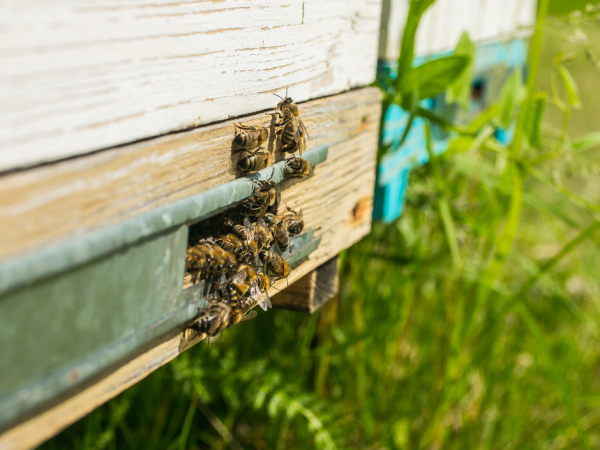
If you see bees or wasps in your garden, it’s best to watch them from a safe distance. They are busy foraging for nectar or hunting pests and will pay you no heed if left undisturbed most of the time. Do not make any sudden movements or loud noises that will scare them.
4. Wear Protective Clothing
If bees or wasps are active in areas where you must work, wear protective clothing. Dark colors attract their attention more than light colors. Wearing long sleeves, pants and closed toe shoes will give an extra layer of protection from accidental stings.
5. Avoid Strong Scents
Strong scents — perfumes, scented lotions, even some food odors — attract bees and wasps. If you’re working in your garden, choose unscented products, as you don’t want to attract them. Also, don’t wear brightly colored clothing that could be confused with flowers.
6. Use Natural Deterrents
Natural deterrents such as peppermint oil and vinegar solutions will keep wasps from certain areas without harming them if you want to keep them out of certain areas but without killing them. Spraying these around areas you don’t want wasps can get them to relocate without hurting them.
7. Create Bee-Friendly Habitats
Having bees in your garden is good for the ecosystem. Planting native flowers that bloom at different times during the season helps to provide food for bees that reduces the competition between bees and wasps for food and shelter. We can also create habitats such as bee hotels to support solitary bee species.
8. Know When to Call Professionals
If you come across a big nest of wasps or aggressive behaviour from bees or wasps, it’s probably best to call in the pros to take away. It is not advisable to try to handle large nests yourself because you can get several stings and even serious allergic reactions.
9. Educate Yourself and Others
The more you know about bee and wasp behavior, the less fearful they will be. Create the conditions in which they do not feel threatened and will not sting. Spread the word back to family and friends to create a community that understands the value of these amazing bees, not fearing them.
In summary, you should know bees’ worth to our planet, identify the species, observe them from a distance, and take preventive measures when it comes to handling bees and wasps safely in your garden. One of the most important ways to do this is to create a harmonious environment for pollinators and pest controllers alike, without creating unnecessary risk for stings, and still have a thriving garden ecosystem that both humans and wildlife alike can enjoy.
The Benefits of Professional Wildlife Removal Services
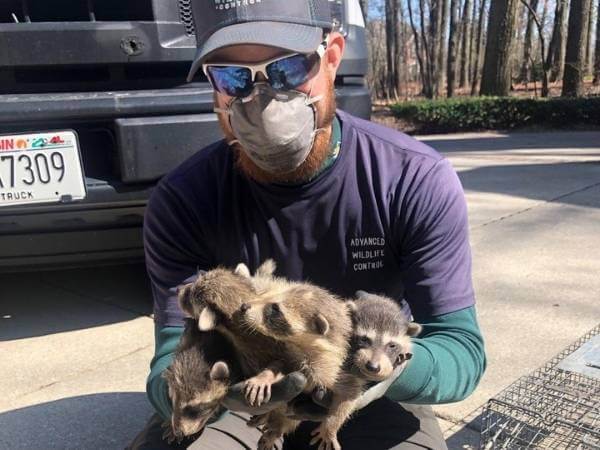
If you are a homeowner, dealing with wildlife intrusions can be a difficult experience. While a few may be tempted to personally deal with the problem, professional wildlife removal services have many benefits allowing for an effective and humane solution. Let’s take a closer look as to why hiring a professional is usually the best choice.
1. Expertise and Experience
Professional wildlife removal services have a lot of experience and expertise. Trained specialists know animal behaviour and are able to recognize the species involved and accurately assess the extent of the problem. By their knowledge, they are able to put in place appropriate tactics giving thought to the particular situation to ensure wildlife is taken out safely and efficiently.
2. Safe and Humane Methods
Another benefit in hiring professionals is that they are humane removers. Professional wildlife removal companies that are reputable take into account the wellbeing of wildlife and attempt to limit the stress and harm to them. They use traps that do not injure animals and which can be safely relocated. Protecting the animals with this humane approach is also still compatible with ethical wildlife management.
3. Prevention of Future Infestations
In addition to removal, professional services usually include prevention measures to keep wildlife from reentering. Experts can assess your property and identify where animals may have been able to get in and where they might have gotten in, and then find ways to fix those vulnerabilities. Recommendations are given on how to seal these openings and how to reduce attractants, including food sources or shelter, by landscaping changes or other modifications.
4. Health Risk Mitigation
Diseases carried by wildlife can be a major health risk. For example, rodents, raccoons and bats can spread illness such as hantavirus, leptospirosis or rabies. These risks are handled safely by professional wildlife removal services. When they come across dangerous circumstances, they put on protective gear and may even pick up any droppings or nesting materials that might be hazardous to humans and pets.
5. Legal Compliance
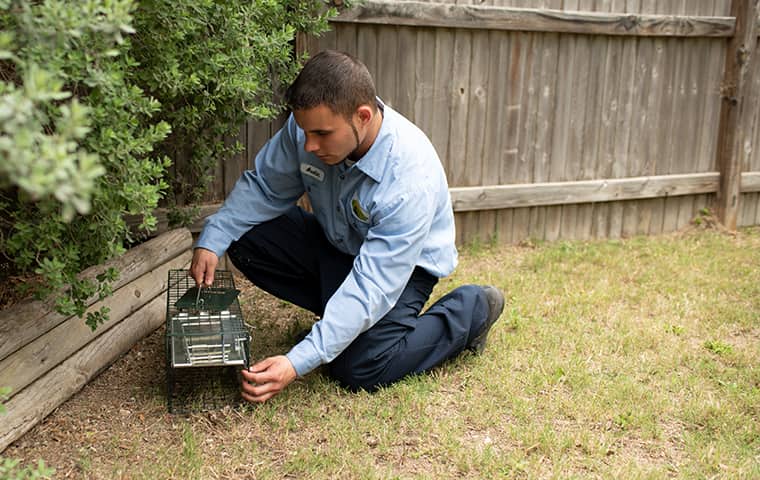
There are many laws in different regions that protect and remove wildlife. These regulations are largely familiar to the professionals for their strict supervision over the removal procedures. It helps to avoid getting into trouble with the law — in that we should not be mishandling or relocating protected species.
6. Time and Cost Efficiency
If not done right, DIY wildlife removal can be both time consuming and costly. The professionals speed up the process and implement solutions that work fast and without delay. While hiring experts does come with an upfront cost, the benefit of this is that it can save a homeowner money in the long run, as it will prevent further damage to a property or an additional infestation.
7. Peace of Mind
One of the greatest benefits in hiring professional wildlife removal services perhaps is the peace of mind. Homeowners can rest assured that trained experts are handling the situation so they don’t have to worry about dealing with unwanted wildlife. All the way from assessment to removal and prevention, everything is taken care of by professionals.
8. Education on Coexistence
Homeowners are often educated by professional services about local wildlife, and how to live in harmony with them. Learning how animals behave can help you avoid future incidents and deepen you appreciation for nature.
This concludes that there are several advantages of professional wildlife removal services such as the expertise, humane methods of removal, health risk mitigation, legal compliance and peace of mind. Homeowners can deal with current intrusions by selecting professionals for wildlife management and take steps to prevent future intrusions, thereby ensuring a safe and peaceful way of living for both people and animals.
Emergency Steps to Take When You Encounter a Wild Animal

Meeting a wild animal can be exhilarating as well as shocking. Whether you are hiking in the woods or walking in your neighborhood, learning how to respond can keep you both safe. If you run into a wild animal here are some emergency steps to take.
1. Stay Calm and Assess the Situation
The first thing is to keep calm. Assess the situation for a moment. We are more afraid of them than they are of us, for most wild animals. If the animal is just passing by, then you’re better off keeping your distance and letting it go. Make no sudden movements or loud noises that may frighten the animal.
2. Maintain Your Distance
It’s important to keep a safe distance. Moreover, wild animals can be unpredictable, most of the time, they react when they are feel threatened or corner. If you have your phone or binoculars, observe the animal from a distance. A good rule of thumb is to stay at least 100 yards from a large animal such as a deer or bear, and 50 yards from a small animal such as a raccoon or coyote.
3. Do Not Feed the Animal
Feeding wild animals can get you and the animal into dangerous situations. Having them lose their natural fear of humans has a legitimate impact because it will make future encounters more difficult with them. Moreover, there are also many foods that aren’t good for their diet and it makes an animal very health issue. If you have food with you, secure it and don’t try to attract wildlife.

4. Make Your Presence Known
If you come across an animal either it approaches you or looks curious about you, make yourself known, but not aggressively. Wave your arms and stand tall, and speak calmly and firmly. It can help you assert dominance and push the animal back (in some cases). Some animals may regard direct eye contact as a challenge, so avoid this.
5. Back Away Slowly
If the animal doesn’t leave when you’ve made your presence known, back away slowly, keeping your eyes on it. Don’t turn your back on the animal or run because it may trigger chase response. Walk away in a calm and steady way until you feel safe.
6. Identify the Species
Knowing what type of wild animal you’re dealing with can help you know how to respond. First do some reserach of common wildlife behaviours and characteristics so you can tell if an animal is behaving unusually aggressive or distressed. For example, an injured animal might be more dangerous, because it will feel threatened.
7. Seek Shelter if Necessary
If you’re in a really bad situation, like you’re running into a bear or a big predator, get out of the line of fire if you can. Although dangerous, climbing a tree or moving into a nearby building can offer you safety until the animal leaves the area.
8. Contact Local Authorities
Contact local wildlife authorities or animal control if the encounter escalates or if an aggressive animal presents a threat to public safety. The truth is they are trained for these situations and are familiar with how to go ahead safely.
9. Educate Yourself Post-Encounter
After any close encounter with wildlife, take time to learn about local species and their behaviors. Knowing how to share space with wildlife will prevent future encounters from turning into an emergency.
Finally, acquiring a grasp on how to respond on meeting a wild animal is fundamental to keeping safe for you and the animal. Staying calm, staying a distance and making yourself visible go a long way toward successful encounters with wildlife. If you need help just ask.
How to Create a Wildlife-Friendly Yard Without Attracting Pests

Having a wildlife friendly yard improves biodiversity and provides needed habitats for local species. But you must plan the garden so that it attracts beneficial wildlife, while not increasing the risk of pests. Here’s how to get that balance.
1. Choose Native Plants
One of the best ways to create a wildlife friendly yard is to select native plants. They are adapted to the local environment, and they provide food and shelter for local wildlife such as birds, butterflies and beneficial insects. A number of flowering plants are introduced which bloom at different times, so that food is available all year round. This diversity provides a habitat for wildlife and decreases the possibility of conducive pest habitat as native plants usually require less maintenance and fewer chemical inputs.
2. Create Layered Plantings
Including ground covers, shrubs, and trees in this way creates full life zones of vegetation that resemble natural ecosystems and provide habitat diversity. This multi layered approach offers different feeding and nesting opportunities for different species. Birds may find taller plants shelter, and small mammals can hide in ground covers. Increasing vertical layering makes your yard more inviting to wildlife, and less inviting to pests that thrive in uniform landscapes.
3. Install Water Features
Another consideration is that water is essential for wildlife survival, and therefore, including a birdbath, or at least a small pond in your yard is always good. These are features that give the birds and other animals the drinking and bathing opportunities. Allow small creatures safe access to a shallow water source. You can attract unwanted pests by not regularly cleaning the water features as they can breed mosquitoes.
4. Provide Shelter and Nesting Sites

You can create shelters for animals like birdhouses, bat boxes, or any insect hotels to make the animals come to your yard and take it up as their house. They (these structures) also offer the safety of nesting sites and predator protection. Install these shelters in quiet areas away from heavy human activity when installing them. Leaving areas of your garden wild with some brush piles or uncut areas of grass also provides natural habitats for small mammals and ground nesting birds.
5. Limit Lawn Areas
Little ecological value and a lot of maintenance are required for traditional lawns. Eliminating lawn space and replacing it with native wildflowers or ground covers would be more wildlife friendly. These alternatives, in addition to providing food and habitat, reduce the need for fertilizers and pesticides which attract pests.
6. Implement Natural Pest Control
You can encourage beneficial insects such as ladybugs to help control pest populations naturally. Herbs planted such as basil or dill can very well attract the helpful insects while keeping them away from harmful ones. Stay away from chemical pesticides, which often kill good wildlife and pollinators.
7. Educate Your Community
You can promote awareness to create wildlife friendly spaces in your community. Tell neighbors how to design their gardens to support local wildlife without attracting pests. Community workshops or planting days can help communities collaborate and have a positive impact on local biodiversity.
8. Monitor Your Garden
By regularly observing your garden you will be able to spot any emerging pest problems early on. If you see signs of infestation or damage to plants (with plants, you can do it too), look for organic methods to take care of it. It can also help you keep track of what wildlife species visit your yard so you can fine tune gardening practices to better support them.
Finally, I conclude that creating a wildlife friendly yard requires careful planning and implementation of a number of strategies that foster biodiversity while also discouraging pest attraction. Choose native plants, create layered habitats, install water sources, and invite beneficial insects, and you can create a local wildlife refuge, no matter how comfortable or pest free you like your yard to be.
Understanding Local Wildlife: A Guide to Common Species

To have a symbiotic relationship between man and nature, we must first understand local wildlife. Knowing about some of the common species in your area can help you enjoy the environment, and learn what to do and not to do with these animals. Here’s a guide to some of the most common wildlife species you may come across.
1. Birds

Wildlife species most visible and diverse are birds. Common types are sparrows, robins and blue jays. Robins are small, social birds known for their blue and bluish gray backs, white throats and black heads, distinctive orange breasts and beautiful songs. They are striking birds, blue jays are larger, with vivid blue plumage and loud calls. There’s nothing wrong with birdwatching as a hobby and discovering the things they do and their habitats can be really rewarding.
2. Mammals
Squirrels, raccoons and deer are often seen in suburban and rural areas. Eastern gray squirrels are agile and live in many habitats; they will raid bird feeders for seeds. They are night time scavengers, with dexterous paws and masked faces, and are commonly seen moving through garbage cans at night. White-tailed deer are graceful creatures which may happily wander into a residential area for a mating or because of a lack of food.
3. Reptiles and Amphibians

Turtles, snakes and frogs and salamanders add to local biodiversity. Ponds and lakes are where you find painted turtles, basking on logs or rocks. Many people fear snakes, but most species are harmless; garter snakes are often seen slithering through gardens or grassy areas. Frogs and toads fulfil an important ecological role as predators or prey; their presence indicates a healthy ecosystem.
4. Insects
The group of insects is the most numerous wildlife group and they play important roles in pollination and decomposition. Examples of beneficial insects include bees, butterflies and ladybugs that keep healthy ecosystems. Butterflies give gardens color and honeybees pollinate many crops and flowers. Ladybugs help control aphid populations, and are valuable allies to gardeners.
5. Urban Wildlife

Because of human activities, urban areas have unique wildlife adaptations. City parks are filled with pigeons, adapted well to urban life living on scraps of food. In cities, coyotes have become increasingly common, searching the park’s green spaces for small mammals to hunt. Basic understanding of these adaptations can aid to reduce conflicts between humans and wildlife.
6. Conservation Awareness
Conservation goes hand in hand with understanding local wildlife. Habitat loss, pollution and climate change are threatening many species. We can support wild life organizations or participate in local conservation initiatives to protect these wild animals and their habitats. Small actions like planting native plants or creating bird friendly spaces will make a big difference.
7. Observing Responsibly
If you are observing local wildlife, you need to do it responsibly. For your safety and for the animals’ safety, keep a safe distance to avoid stressing or disrupting the natural behaviors of the animals. Don’t feed wildlife, as it can make them dependent on the food and start shaping their natural instincts.

This demonstrates the importance of sustaining our relationship with wildlife as local citizens, which also furthers our understanding of the world around us as well as coexistence with other creatures. Familiarising yourself with common birds, mammals, reptiles, insects and urban wildlife adaptations will enable you to appreciate the diversity around you, and help you help contribute to conservation efforts. To ensure future generations can enjoy local wildlife beauty like we do now, we should observe responsibly.
What to Do If You Spot a Coyote in Your Neighborhood

If you spot a coyote in your neighborhood, it is a surprise, but you must stay cool and know what to do. By and large, coyotes are wary of people and keep a wide berth; however, knowing what to do can help you and the coyote both remain safe.
Stay Calm and Assess the Situation
The first time you see a coyote, take a moment to see what’s going on. Most coyotes are not aggressive, and will probably move away if they detect human presence. Don’t panic, view the coyote from a safe distance. If it looks normal—walking or trotting away—then there’s no immediate cause for concern.
Do Not Approach or Feed the Coyote

You must never approach or try to feed a coyote. Doing so habituates them so they become less fearful of humans and more likely to wander off into populated areas. This behavior puts humans and coyotes in danger of one another. If you see someone else trying to feed a coyote, kindly tell them of the dangers.
Make Your Presence Known
If a coyote doesn’t seem scared or even comes towards you, you need to let it know you’re there. Grow tall, make loud noises, wave your arms to seem too big for conning. If shouting or using a whistle scares the coyote away, great! Throw small objects (not directly at the animal) to get it to vacate. It’s about reinforcing its natural fear of humans.
Keep Pets Safe
Small pets are potential prey for them. We recommend protecting your pets inside during dawn and dusk when coyotes are most active. If you have to let them go outside, make sure you supervise them and keep them on a leash. Leave no food outside that may attract coyotes or other wildlife.
Secure Your Property
Securing your property forms the first step in preventing future encounters. Store garbage in tightly sealed containers and eliminate any food sources that may attract coyotes, including pet food, fallen fruit or ground birdseed. Motion activated lights can help to keep coyotes out of your yard.
Educate Your Family
Make sure that everyone in your household knows what to do if they see a coyote. Tell children not to go near wild animals and why they should keep pets safe. Talking about these things will ready everyone for possible encounters and will encourage responsible behavior.
Report Aggressive Behavior

Note — If you see a coyote behaving in an aggressive manner (such as advancing toward people without fear or being strangely) call local wildlife officials or Animal Control. This allows them to watch the situation and do something about it if needed.
Understand Coyote Behavior
Undoubtedly, coyotes are adaptable creatures; they certainly have found their way into urban areas. They are mostly nocturnal, but may be seen during the day, especially in spring when they are attending to their young. Knowing their behaviors helps to lessen fear and establish coexistence.
Promote Community Awareness
Ask your neighbors to take similar safety precautions with respect to coyotes. Prevention of conflicts with wildlife depends on community awareness. A community approach to coexistence with coyotes can be encouraged through local meetings or via neighborhood apps, organizing information.
So, if you spot a coyote in your neighborhood, there’s no need to panic if you know how to respond. Staying calm, being assertive, not panicking over your property and educating those around you can help greet your new neighbor with a cooled head and promote friendly coexistence of all in your community.
Humane Trapping Techniques: Keeping Your Property Safe

Managing wildlife that has taken to your property and is now taking over should be done with humane trapping techniques to make certain the welfare and wellbeing of the animals. These methods enable you to deal with a possible infestation without harm. If you want your property to remain safe, here’s a guide to effective humane trapping techniques.
Understanding the Need for Humane Trapping
Encroachment of wildlife onto a property can cause multiple problems leading to damage to property and dangers to health. But you have to do it ethically. Humane trapping involves catching an animal humanely, without harming the animal or causing it distress, so it can be relocated safely. This is a method that not only protects animals but also encourages responsible attitude to wildlife management.
Choosing the Right Trap
Successful humane trapping requires selecting the right trap. Live traps are available in many types, and they catch animals without hurting them. Check for traps that are set for the species you are dealing with, raccoons, squirrels or rabbits. Make sure the trap is large enough to let the animal relax in its entirety, and out of strong enough materials to last the outdoors.
Baiting Your Trap
The key to baiting effectively to attract wildlife to your trap. For the specific species you want to capture, use food items that they find appealing. Peanut butter or sunflower seeds are good for squirrels, while marshmallows or cat food is good for raccoons. Put the bait in the back of the trap so the animal walks in all the way. Don’t use harmful substances or chemicals when baiting.
Setting Up Your Trap
When handling a humane trap, location is the key. Where have you noticed signs of wildlife activity; droppings, tracks, nests…? Place the trap along these pathways, having it set up level and secured. The trap can be made less conspicuous and more inviting for animals by covering with leaves or grass. For safety, moreover, make sure that the trap is put in a safe place, away from pets and children to prevent accidental captures.

Monitoring Your Trap
Make sure to regularly check your trap to be sure that any animals caught are not left inside too long. You should check traps at least twice a day. If you corner an animal, approach it calmly and make little or no sudden movements — sudden movements can stress the animal. If you can cover the trap with a cloth while you work on setting up for relocation, it will help soothe the captured animal.
Relocating Captured Animals
Once you have humanely captured an animal, you then need to ensure you’re relocating it responsibly. It is a good idea to check with local authorities to see what the local regulations are on wildlife relocation, as some areas are very specific about where and how animals can be released. But if you can, transport to a suitable habitat far enough away from residential areas that they will not return. Make sure to let them go during good weather and at a nice time of day.

Preventing Future Encroachments
After trapping and transferring wildlife gets successful then be undertook preventive measures such as deterrents to prevent encroachments ahead. Close up any gaps in your fences or holes in your walls. Reduce the availability of food sources by bringing garbage inside to tightly sealed containers, and put pet food inside to discourage pests. Regular maintenance of your yard can help reduce attractants for wildlife, as well.
To conclude, techniques of humane trapping are a very efficient method to deal with wildlife encroachment with the advantage to animal welfare. Selecting the right traps, using the correct bait, close monitoring of captures, and responsible animal relocations will allow you to keep your property safe while adhering to an ethical standard. Preventive measures will also help increase your efforts to live harmoniously with local wildlife while keeping your home and garden safe from damage.
The Best Strategies for Preventing Wildlife Encroachment

A correct and harmonious relationship cannot be maintained between the human and nature, unless and until, wildlife encroachment can be prevented. Wildlife habitats are being encroached on as urban areas grow, with conflicts potentially harmful to both wildlife and people, they said. The following are ways to stop the wildlife encroachment.
1. Secure Your Property
The most important first line of defense against wildlife encroachment is to secure your property. Ideally, you should inspect your home for gaps, cracks, or openings in which animals can use to enter. Plug these entry points with stuff like steel wool or caulk. Furthermore, make sure windows and doors are screened and vents are covered. In addition, regularly maintaining your fences and gates can help discourage the larger animals from coming into your yard.
2. Manage Food Sources
Easily accessed food sources always attract wildlife. To combat this attraction, store food in airtight containers and keep garbage in a sealed bins with tight fitting lids. Don’t leave pet food outside and clean up any spills right away. If you have fruit trees, pets, or children, be sure to frequently pick up dropped fruit, as this will prevent raccoons or deer from attracting them into your area, among other potential unwelcome visitors.
3. Create a Wildlife-Friendly Landscape
It’s important to deter unwanted wildlife, but making your landscape less appealing to them can also help. Plant native plants that are less attractive to pests, and don’t plant species that produce too much fruit or seeds. It is also advised to include barriers like thorny bushes around the garden to prevent animals from foraging there.
4. Implement Deterrents
There are several deterrents that will keep wildlife at bay without harm. Motion activated lights or sprinklers will frighten animals away from your property. Also sound deterrents like ultrasonic devices are also effective in repelling certain species. To fend off herbivores from gardens, opt for using natural repellents such as chili powder or predator urine.
5. Educate the Community
Prevention of wildlife encroachment is dependent on community awareness. Conduct workshops or information sessions focused on the local wildlife, and how coexistence matters. A community culture that prioritizes prevention can be nurtured through educating residents regarding waste disposal, gardening and the effect of feeding wildlife.
6. Establish Buffer Zones
Buffer zones between wildlife habitats and human habitation can greatly reduce encounters. These zones could be vegetation on their own or obtained green spots which serve to be a safe place between urban regions and the fields. Protected zones help maintain ecological balance and reduced human wildlife interaction.

7. Collaborate with Local Authorities
Local authorities too can be involved in preventing wildlife encroachment. Advocate to have policies put in place that promote sustainable land use and habitat conservation in your area. Support initiatives that work to restore natural habitats and create wildlife corridors that let animals move safely through without going through developments.
8. Monitor Wildlife Activity
Keeping an eye on wildlife activity in and around your property will allow you to detect these potential problems before they progress to conflicts. Arrange to have cameras positioned or to do periodic checks for animal presence (such as tracks or droppings). Early detection means timely intervention and implementation of preventive measures.
Finally, preventing wildlife encroachment is multi faceted and requires property management, community education and working with local authorities. Securing your property, managing food sources, making the landscape less attractive, using deterrents, establishing buffer zones, and monitoring wildlife activity can greatly reduce the chance of conflicts with local wildlife and encourage coexistence in your community.
Essential Tools for DIY Animal Control: What You Need to Know

Wildlife management can be a challenge, especially when the unwanted animals in your yard or home are a problem. But the right tools can make the process safer and more effective. Here’s a guide to essential tools for DIY animal control, to help you deal with wildlife situations responsibly and effectively.
1. Catch Poles
Catch poles are a wonderful tool to safely catch an animal without hurting it. The tools are a long pole with a loop on one end so that you can secure the animal from a distance. Professional grade catch poles can be purchased or you can make your own using PVC pipe and rope for a cheap solution. Make sure the pole is solid and long enough to keep you out of harm’s way but still give you enough control to manage the animal.
2. Live Traps
Animals are best caught live with live traps. There are many sizes of these traps and they are safe to use to contain animals so they can be relocated. When you are aware of the species you are dealing with, be it raccoons, squirrels, or feral cats, choosing traps that are suitable for the species is a must. Make sure the traps are made of tough materials that are well ventilated so captured animals are comfortable until releases.
3. Gloves and Protective Gear
Personal safety is most important when handling wildlife. The thick gloves protect your hands from bites or scratches, and give you a better grip on tools. Moreover, long sleeves and pants protect your skin from potentially stinging or scratching as well. Wear a face mask and goggles if you’re dealing with larger animals or animals whose diseases you may be susceptible to.
4. Animal Carriers
For transporting captured wildlife safely, an animal carrier is important. Select a sturdy carrier that offers good ventilation and is big enough for the animal you are dealing with. Carriers should be easy to clean and secure enough so that carriers do not escape during transport. In particular, this tool is useful for relocating animals to a safe environment away from residential areas.
5. Snares and Ropes
Despite these efforts, snares can be an effective means of controlling certain types of wildlife, but should be used with care and knowledge of local regulations regarding their use. A strong rope can be used for many different purposes—for securing traps, or for handling captive animals safely. Any ropes or snares used should be suitable for the size and strength of the animal being handled.
6. Emergency Animal Rescue Kit
An emergency animal rescue kit is a handy thing to have on hand in case you find yourself in the presence of injured or stray animals. This kit will need to include the following items: things such as a towel or blanket to wrap injured animals in, food (like wet cat food), water bowls, gauze bandages, and the numbers or information for local animal shelters and/or veterinarians[3]. This kit will allow you to act quickly in emergencies if you keep it organized.

7. Cleaning Supplies
If you’ve handled wildlife, it’s important to clean any surface that may have been in contact with animals to avoid spreading disease. Have gloves, trash bags, disinfectants and cleaning cloths ready to sanitize your workspace thoroughly afterwards.
8. Knowledge Resources
And finally, do your homework and know about local wildlife species and humane handling techniques. Other books, online resources and local wildlife organisations will offer help on how to deal with specific situations most successfully.
Finally, having appropriate DIY animal control tools is not only safer but practices humane wildlife treatment as well. Catch poles, live traps, protective gear, carriers, snares, emergency kits, cleaning supplies, and educational resources allow you to respectfully and responsibly manage wildlife encounters in a safe and educated way that promotes coexistence in your community.
How to Identify Signs of Wildlife Infestation in Your Home

To ensure that you have a safe and healthy living environment it is important to know to identify signs of wildlife infestation. Since urban areas are spreading, wildlife incursion is becoming more commonplace, with the potential for health hazards and property damage. Here are the signs of wildlife invasion.
Physical Damage to Property
Visible damage to your property is one of the most telling signs of wildlife infestation. Check for gnawed wires, chewed insulation or torn shingles. These damages are often caused from animals seeking shelter such as rodents, raccoons or squirrels. Regular inspections of your home will help you catch these signs early before they cause even more destruction.
Unusual Noises
Foul Odors
Wildlife infestation can also cause persistent foul odors. Rodents will often leave a smell of urine or feces and a musky smell might mean larger animals such as raccoons are in the area. Unpleasant smells in particular areas of your home are signs that you should do something about it before it becomes a potential health hazard.
Tracks and Droppings
Tracks and droppings left behind by wildlife can tell you what kind of animal is taking over your space. Raccoon droppings look bigger and have some unique characteristics while, rodent droppings look more like small grains of rice. Tracks in dusty areas can also clue you into the presence of certain animals. Knowing these signs can help us decide what the best removal strategies are.
Nests or Burrows
Nests or burrows are a dead giveaway of an infestation. Squirrels and raccoons will often birth their young in attics or crawl spaces. They may make nests out of shredded material such as insulation or fabric. If you discover nests in your home, you need to act fast so the animals don’t multiply and do more damage.
Consulting Professionals

If you think you have a wildlife infestation, you need to act right away. A thorough assessment and the animals can be effectively removed by contacting a professional pest control service. They can determine the type of infestation, where the infestation is coming from, and can give you a tailored solution to get rid of the problem safely. Often times, there are humane options which allow animals to be taken to sanctuaries with veterinary technicians and assistants from top veterinary career schools who care for animals ensuring there health and safety.
Preventive Measures
Sealing up potential entry points is key to prevent future infestations. Check your home for gaps, cracks, or holes in foundations, walls and roofs. Seal these openings using materials, such as steel wool or caulk, to get the job done. Also, keeping your property clean by locking up garbage bins and taking away food sources will help to keep wildlife out of your home.
Wildlife infestation sign recognition is will protect you from a lot of property damage and even your health may be in danger. Physical damage, unnatural noises, bad smells, tracks and droppings, and nests or burrows are all signs to be vigilant about when it comes to protecting your home from unwelcome guests. If you see any signs of an infestation, it’s best to get professional help to resolve and prevent it.