


How to Identify Signs of Wildlife Infestation in Your Home

To ensure a safe and healthy living environment, it is important to know how to identify signs of wildlife infestation. As urban areas expand, wildlife incursions are becoming more common, posing potential health hazards and property damage. Here are the signs of wildlife invasion.
Physical Damage to Property
Visible damage to your property is one of the most telling signs of wildlife infestation. Check for gnawed wires, chewed insulation, or torn shingles. These damages are often caused by animals seeking shelter, such as rodents, raccoons, or squirrels. Regular inspections of your home will help you catch these signs early before they cause even more destruction.
Unusual Noises
Foul Odors
Wildlife infestation can also cause persistent foul odors. Rodents often leave a urine or fecal smell, and a musky smell might indicate that larger animals, such as raccoons, are in the area. Unpleasant smells in specific areas of your home are signs that you should address them before they become a potential health hazard.
Tracks and Droppings
Tracks and droppings left behind by wildlife can tell you what kind of animal is taking over your space. Raccoon droppings look bigger and have some unique characteristics, while rodent droppings look more like small grains of rice. Tracks in dusty areas can also clue you into the presence of certain animals. Knowing these signs can help us decide which removal strategies are best.
Nests or Burrows
Nests or burrows are a dead giveaway of an infestation. Squirrels and raccoons often give birth in attics or crawl spaces. They may make nests from shredded materials such as insulation or fabric. If you discover nests in your home, you need to act fast so the animals don’t multiply and do more damage.
Consulting Professionals

If you think you have a wildlife infestation, you need to act right away. A thorough assessment can effectively remove the animals by contacting a professional pest control service. They can determine the type of infestation and its source, and provide a tailored solution to safely eliminate the problem. Oftentimes, there are humane options that allow animals to be transported to sanctuaries by veterinary technicians and assistants from top veterinary career schools who care for them, ensuring their health and safety.
Preventive Measures
Sealing up potential entry points is key to preventing future infestations. Check your home for gaps, cracks, or holes in foundations, walls, and roofs. Seal these openings with materials like steel wool or caulk to get the job done. Also, keeping your property clean by locking up garbage bins and removing food sources will help keep wildlife out of your home.
Wildlife infestation sign recognition will help protect you from significant property damage, and even your health may be at risk. Physical damage, unnatural noises, bad smells, tracks and droppings, and nests or burrows are all signs to be vigilant about when protecting your home from unwelcome guests. If you see any signs of an infestation, it’s best to get professional help to resolve and prevent it.
Raccoons in Chimneys: Signs, Risks, and Safe Removal
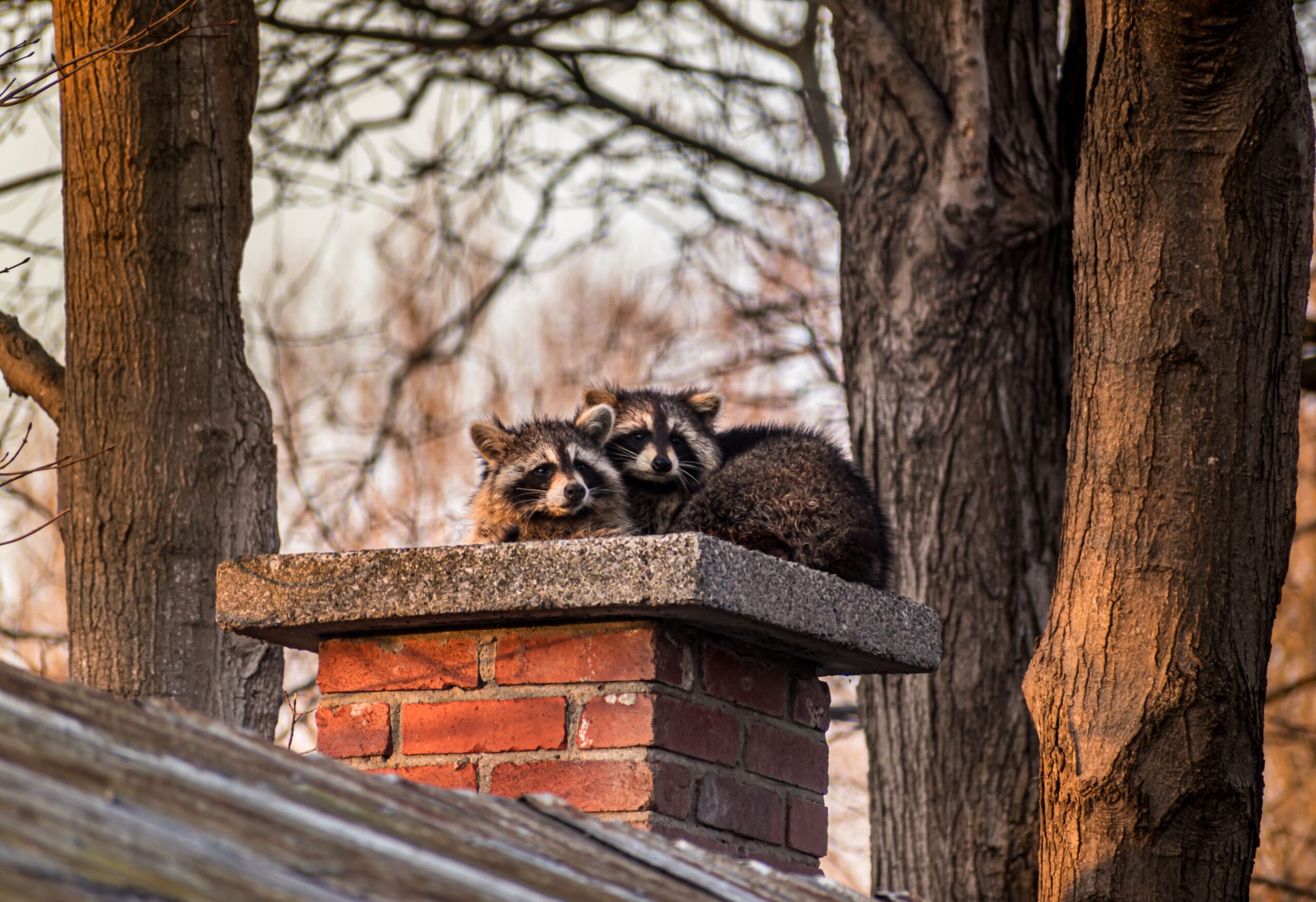
Raccoons are smart little creatures. They have powerful claws and agile feet designed for climbing. To a raccoon, your chimney looks like a cozy resort. It’s dark, warm, and protected from predators. So, of course, they love to settle right in whenever opportunity strikes.
If a mother raccoon spots your chimney, she immediately views it as another hollow tree from the great outdoors. It’s a perfect place to nest and raise her young. Don’t expect her to leave easily once she sets up shop, either.
Why Do Raccoons Choose Chimneys?
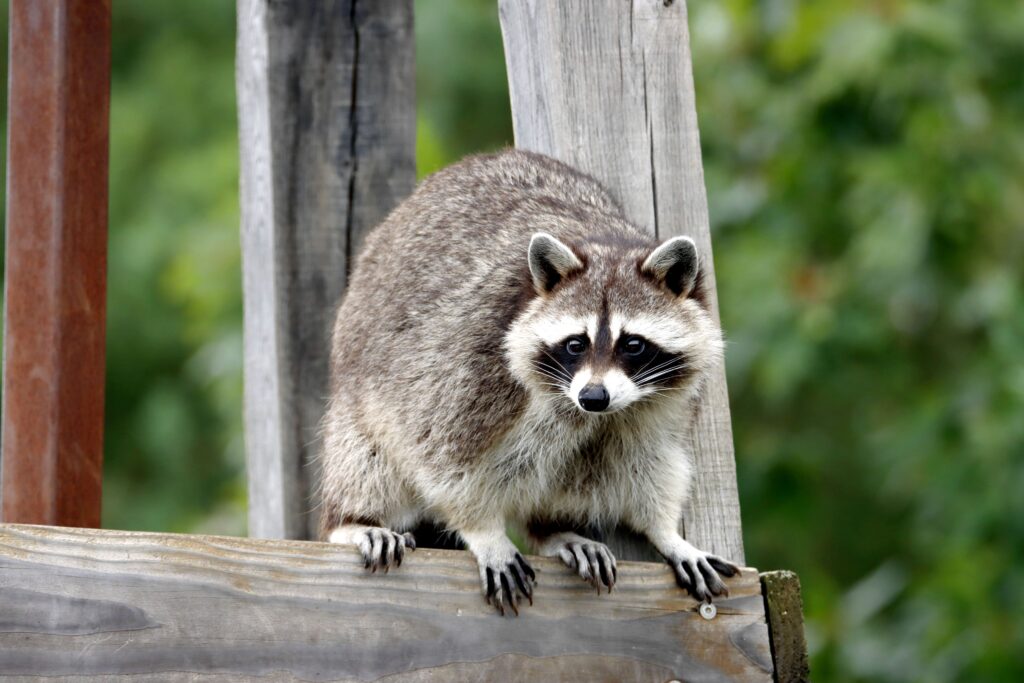
Raccoons don’t pick your chimney by accident. They’re drawn to it for very clear reasons:
- It’s warm and dry inside
- Predators can’t reach them
- It’s close to food sources in your yard
- It’s a safe space to raise their young
Some raccoons even pop off chimney caps to get inside. They can twist, turn, and unsnap most standard caps with ease. So a cheap cap alone won’t always keep them out.
Signs of a Raccoon in Your Chimney
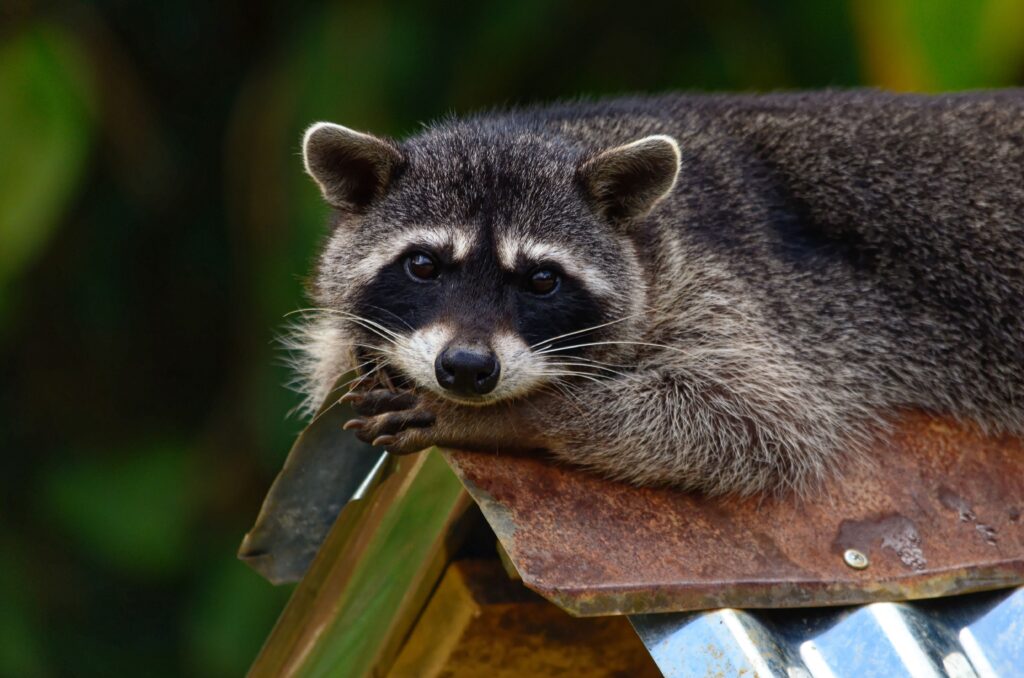
You know your home better than anyone. If something feels off, trust that gut feeling. Here are the most common signs of raccoon nesting in a chimney:
- Scratching or rustling sounds from the chimney
- Crying or whimpering noises, especially at night
- Feces near or inside the fireplace
- Greasy smudge marks on your siding
- Broken or missing chimney caps
- Footprints near the base of the chimney
Raccoons can make over 200 different sounds at all sorts of pitches. They squeak, purr, chatter, and whine. Hear something that sounds like a baby crying near your fireplace? A mother raccoon likely had her litter up there.
The Risks of Raccoons in Your Chimney
Ok, now we’re talking about serious consequences. Raccoons can spread diseases to humans through bites, scratches, or feces. You don’t want to catch this yourself. This is actually dangerous.
Some examples of health concerns:
- Rabies – fever, muscular pain, severe neurological damage in the worst cases
- Raccoon roundworm – spread through feces; causes liver damage and blindness
- Leptospirosis – causes chills, fever, and kidney damage
- Salmonellosis – nausea, vomiting, diarrhea
And that’s just some of the diseases they spread. Raccoons are hosts to fleas, ticks, mites, and lice. Each of these has its own negative effect. Mommas are even more feisty when you’re trying to remove their babies from your chimney. She’ll bite and attack quicker than you can think.
Should You Remove Them Yourself?
Quite frankly, it’s dangerous to attempt it by yourself. Most people don’t own the necessary equipment or proper permits. Not to mention, they lack the knowledge to remove them safely. You need to know what trap to use. What kind of bait is legal in your area? You really should know the ins and outs of trapping before attempting this.
If your chimney is full of baby raccoons, it becomes even more difficult. You’ll have to remove each baby by hand physically. Putting your hands within biting distance. Not to mention if Mama is still in there with the babies, she’s liable to attack you as well.
The easiest and safest solution is to call a professional wildlife removal service. They will remove the raccoons humanely and legally. They will also clean and sanitize the area when done. You and your family will be safe from any remaining feces and germs.
How to Keep Raccoons Out for Good
After the raccoon is gone, seal the entry point right away. The best fix is a stainless steel chimney cap. It sits atop your chimney and blocks out animals, debris, and bad weather.
Other steps that help:
- Remove bird feeders near your home
- Store pet food inside
- Seal any gaps in your roof or soffits
- Trim trees that hang close to your chimney
Wildlife removal specialists will examine your home and find every vulnerability. They can identify problem areas with just one visit. Eliminate thousands of dollars in future repair bills by hiring a professional. It’s one of the best investments you can make.
Don’t Wait on This One
Raccoon damage can become expensive quickly. Missing shingles, ripped siding, leaks in your ceiling, and cleaning up feces are real money. Take care of the problem as soon as possible. Does it sound like something in your chimney? See any of the problems listed above? Give a wildlife removal expert a call today.
Humane Squirrel Removal From Attics: What Works and What Doesn’t
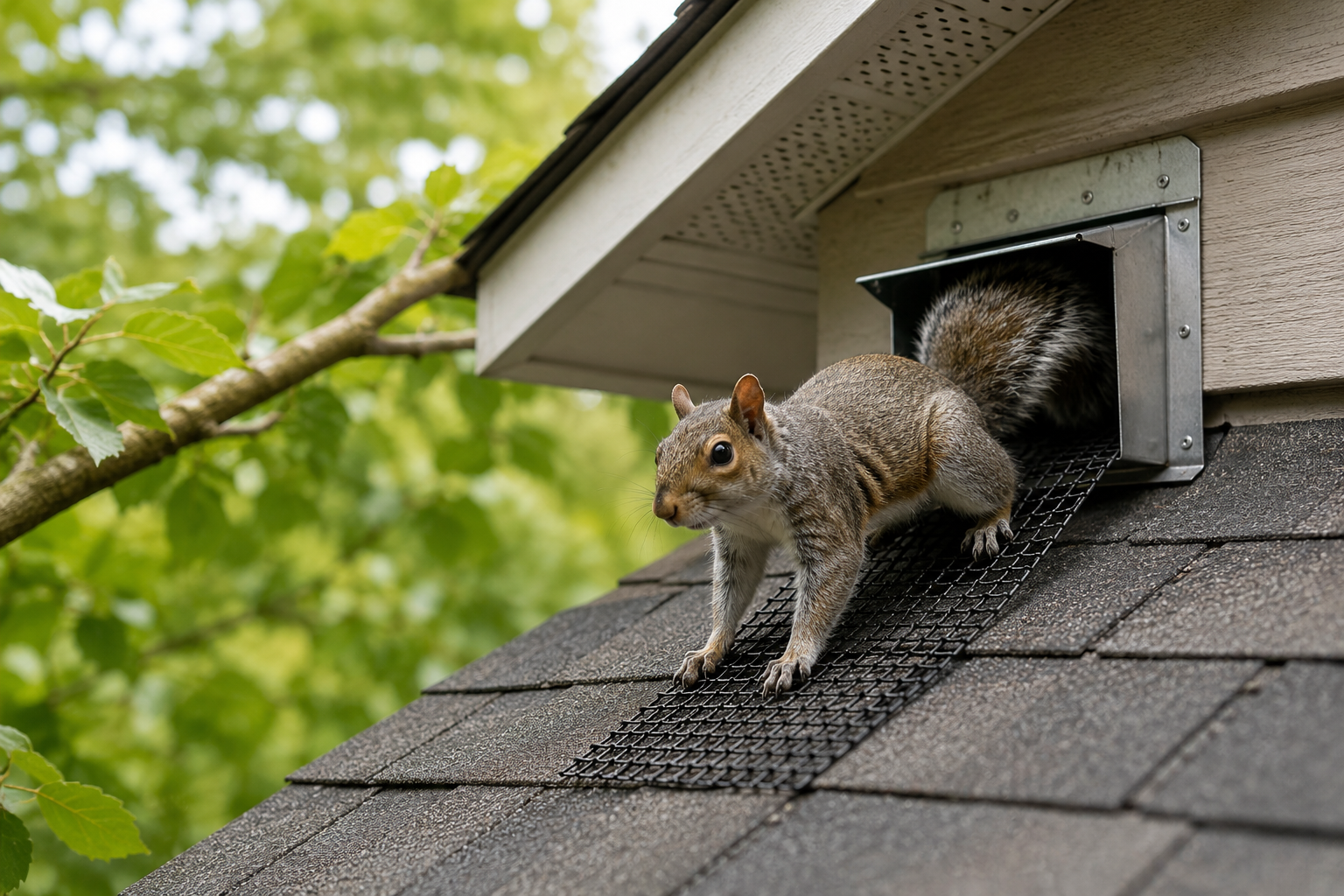
Did you know squirrels can actually be cute animals? Until you find them nesting in your attic, chewing through your wires and insulation like it’s nobody’s business, clawing at your roof at sunrise… Yeah, they’re pretty cute rodents.
The problem is that when they make their home inside your walls and attic, they can wreak serious havoc. Dealing with the damage they leave behind can become costly.
So how can you encourage them to leave town without hurting them? Well, there are some DIY methods that work, and plenty of tricks that will just drive you crazy. Let’s first review the methods that work.
Make Sure It’s Actually Squirrels
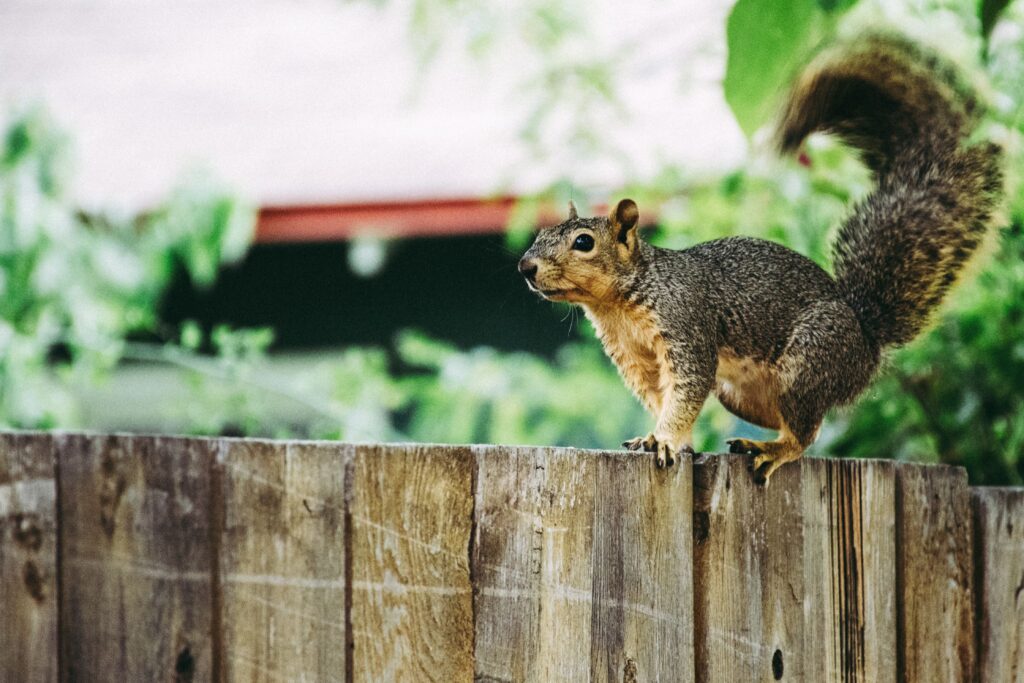
This step seems pretty obvious, but you’ll want to triple-check that you actually have squirrels. The biggest hint is hearing scratching during the day, since squirrels are primarily diurnal. Other hints around your vents or soffits include:
- Nibbled on wood/wires
- Little dark poop near where they entered
- Bits of a nest, materials like leaves or shredded insulation
- Missing roof tiles or holes along the roof line
After you’ve confirmed, you can begin.
The Best Method: One-Way Exclusion Doors
The most humane method for removing attic squirrels is a one-way exclusion door. You place it over the main entry hole. Squirrels push through it to go outside for food or water. Then they can’t get back inside. No trap. No stress. No harm done.
This works because squirrels go out every single day. The door lets them leave but keeps them locked out on the return trip. It can take seven to fourteen days for all of them to exit. Be patient. It works.
One big thing to check first: baby squirrels. If it’s nesting season, a mother may still have young ones inside. Seal her out, and those babies stay stuck with no help. Wait until the young ones can move on their own before you install the door.
What About Trapping?
You can absolutely trap squirrels alive. However, trapping is a lot of work. You may need to check the traps every few hours. If you leave a squirrel in a trap too long, it stresses the squirrel out. It will go without food and water and injure itself trying to escape. If you trap a mother with her babies, you have sad, helpless babies waiting for her to return. No thanks!
You know what live traps need? Peanut butter or nuts. Once you’ve trapped your squirrel, drive ten miles or more away from your house and release it into the woods. Always check with your local wildlife regulations before moving any wild animal.
Seal Every Entry Point
Evicting squirrels from your home is only half of your battle. Once you get them out, you need to ensure they can’t find their way back in. Squirrels can fit through a hole about the size of a golf ball. Pay close attention to your roofline.
Here’s where to look:
- Roof vents and gable vents
- Gaps along soffits and fascia boards
- Open or uncapped chimneys
- Holes around pipes or utility lines
- Soft or rotting wood near the roof
Use steel mesh or hardware cloth to block openings. Squirrels chew through foam and soft wood with ease. Go with the tough stuff.
Cut Off Their Path to the Roof
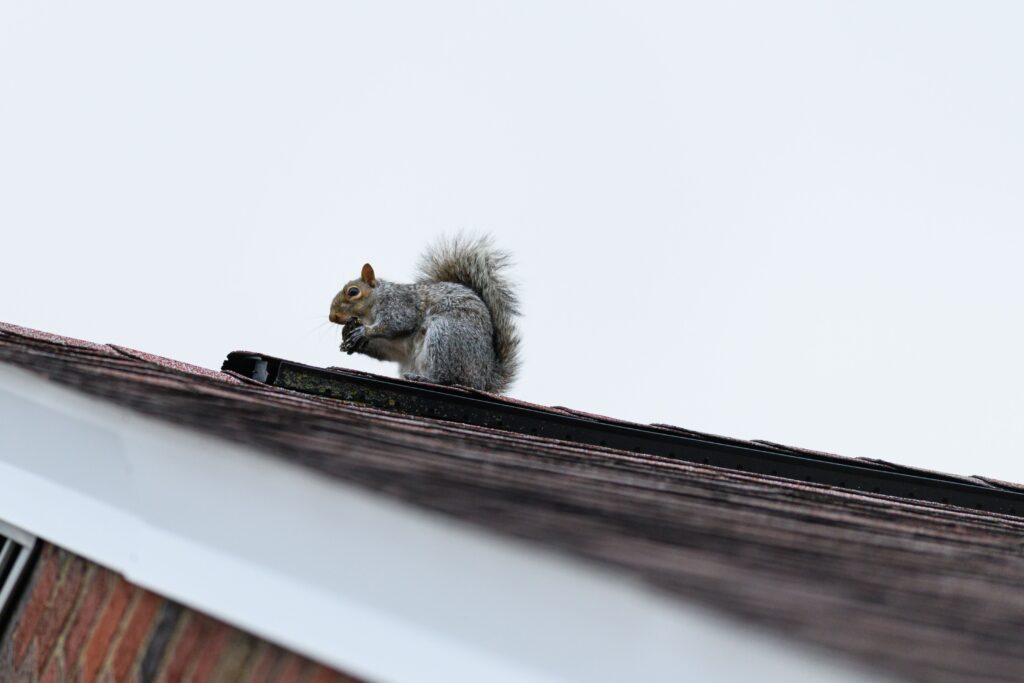
Squirrels don’t fly. They jump. Branches that hang close to your roof give them a free bridge to your home. Trim any limbs within six to eight feet of the house. Remove the bridge, and you cut off the problem at its source.
When to Call a Pro
Occasionally, you will come across a job that is beyond your skill set. A colony of squirrels, extensive nesting, or gnawing through attic walls are sure signs you need to hire professional squirrel removal services. Professionals will identify all entry points used, even the unseen ones. Professionals have the equipment to do the job and will complete it safely.
Keep Squirrels Out Long Term
Inspect the exterior of your home every few months after removal. Look for any openings you may have missed or new damage from determined squirrel teeth. These animals will make every attempt to reenter your home.
Make sure your trash cans are secure. Move bird feeders away from your home. Pick up fallen fruit or nuts in your yard. The less access they have to food, the less reason they have to try and stay close to your home.
Humane squirrel removal isn’t difficult. Find the appropriate removal method for your situation, seal your home, and perform regular maintenance. Keep your attic squirrel-free.
Fox Sightings Near Homes: Is It Dangerous and What Should You Do?
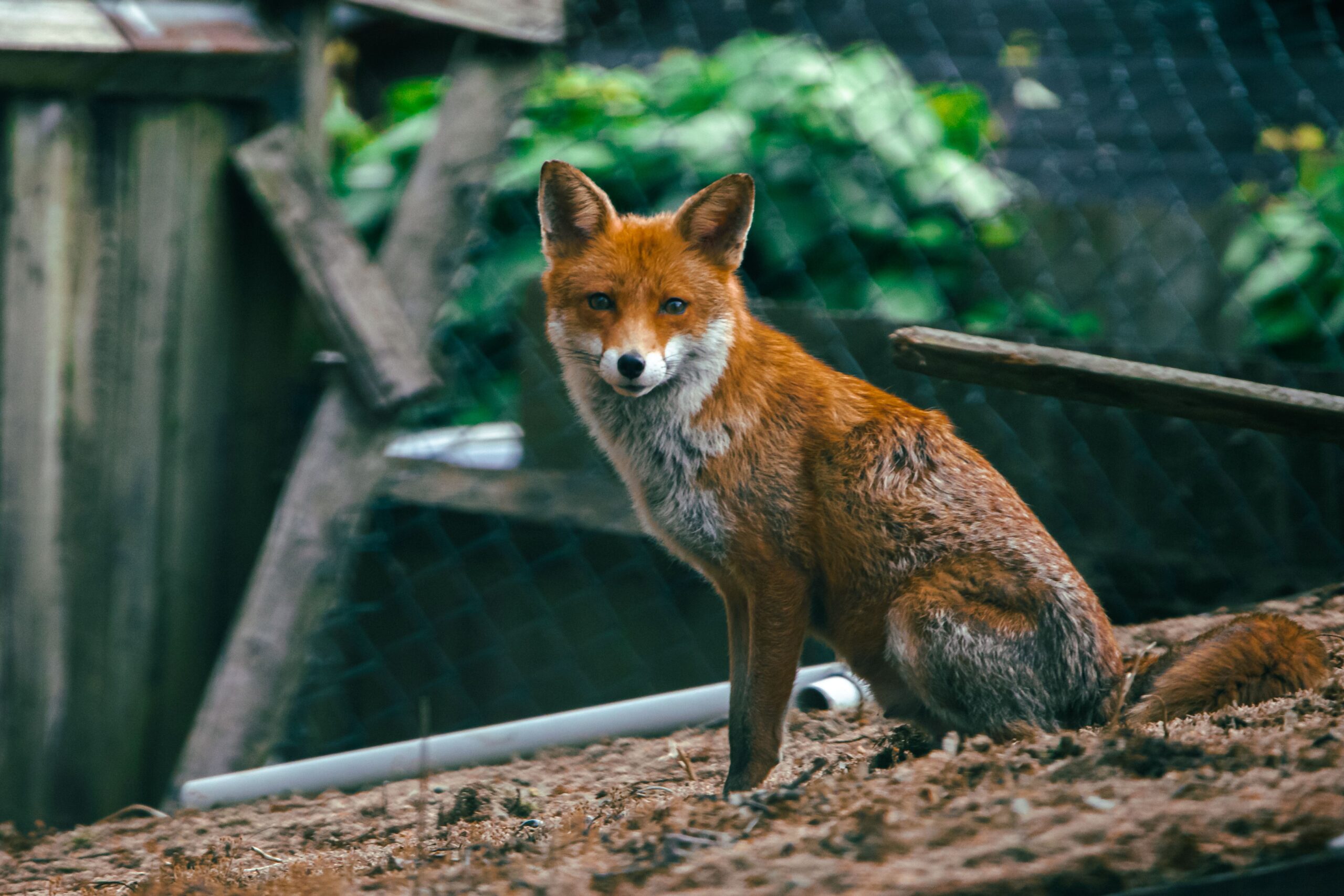
You wake up one morning, grab your coffee, and walk outside. There it is. A fox. Sitting in your yard and staring at you like you are disturbing its breakfast. Now what do you do? Freak out? Call someone?
Take a deep breath. Foxes generally don’t care that you exist. Seeing a fox in your yard is fairly normal. In fact, in most situations it isn’t a problem at all.
Why Are Foxes Showing Up in My Neighborhood?
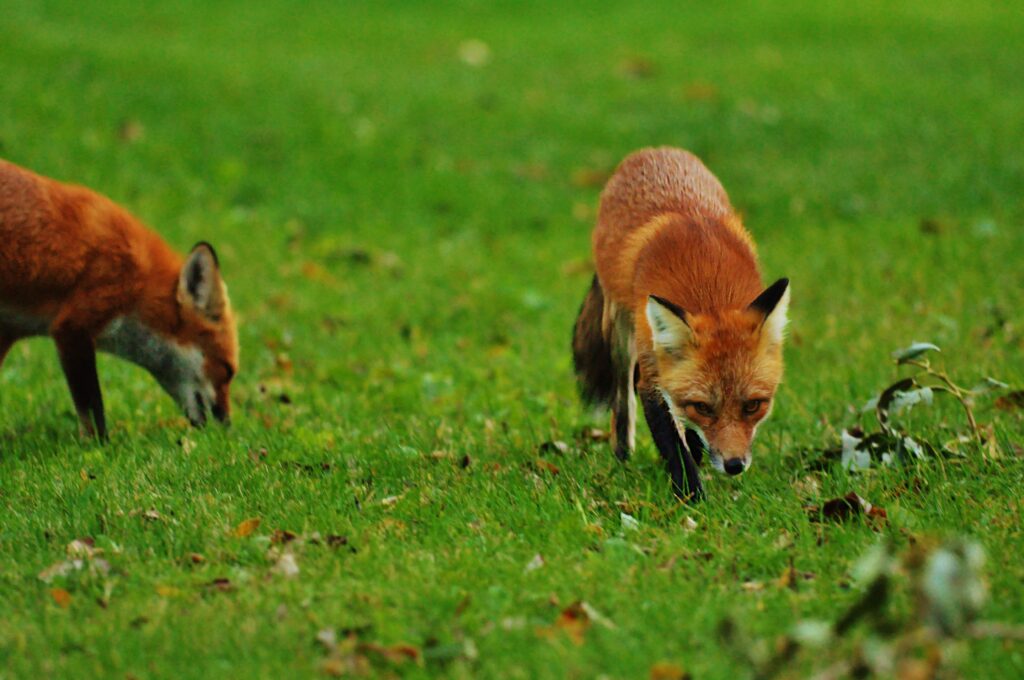
Foxes have learned that neighborhoods equal food. Garbage cans. Pet food outside. Fallen fruit…and on and on. Humans have provided a smorgasbord for foxes, if you will. They also dine on birds, mice, and other small rodents. The point is, if your yard is attracting any of the above, a wild fox will eventually visit.
Nine times out of ten, a fox is just passing through your yard. They are cutting across to get somewhere else. They are not threatening your safety.
Are Foxes Dangerous to Humans?
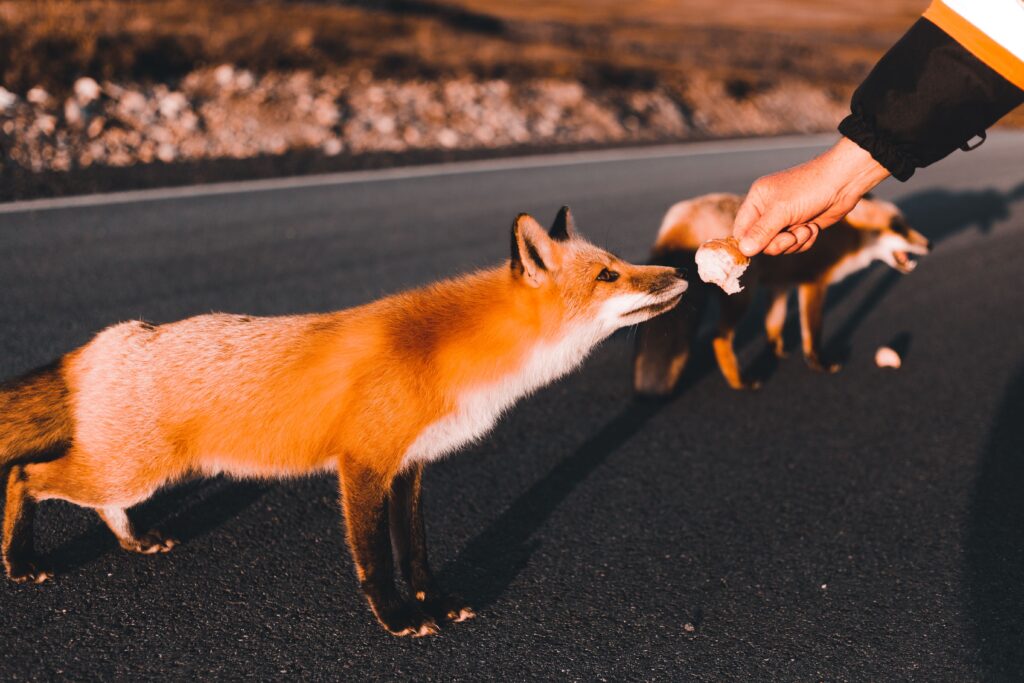
No. Foxes rarely attack people. They are naturally afraid of us and will run at the first sign they hear you coming.
If a fox doesn’t flee as you approach it, there’s a good chance someone is feeding it. Foxes can lose their instinct to fear people and act very boldly. Like coming right up to you, bold. Just make a lot of noise. Yell. Clap your hands. Stomp your feet. It will run off quickly.
Foxes and Pets: What You Should Know
Most dogs and adult cats are safe around foxes. Foxes rarely pick a fight with a cat. Cats are tough and roughly the same size as a fox anyway.
Smaller pets are a different story:
- Kittens and cats under five pounds face real risk
- Watch Your Little Dogs When They’re Outside
- Foxes love rabbits, guinea pigs, and chickens. If you have any of these as pets, please read our full article.
Bring Small Pets Indoors at Night. It’s the simplest, safest option for your pet.
Found a Fox Den Near Your House?
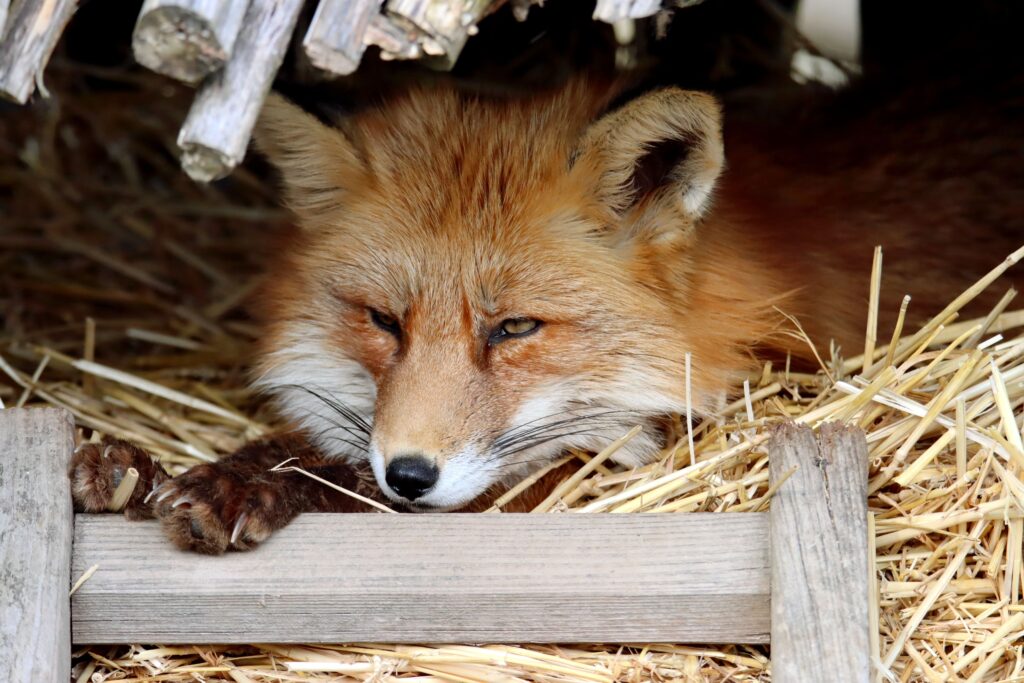
When you discover a fox den beneath your porch or in your shed, it can be upsetting. But the situation isn’t hopeless! Fox kits are only around during the springtime. Most are born in March or April. Around nine weeks old, they begin to venture away from their den. If you can wait it out, they’ll leave on their own accord.
If you need them removed sooner, follow these harmless tips:
- Stuff leaves or mulch loosely into the den opening
- Leave smelly items near the entrance, like used kitty litter or old, sweaty socks
- Hang shiny balloons or reflective tape close to the den
- Sprinkle capsicum-based repellent around the area
The goal is to make the fox family feel unsettled. The mother fox will then move her kits to a safer spot. Once they’re all out, block the area with buried hardware cloth to stop them from coming back.
Rabies and Mange: Know the Warning Signs
Foxes can get rabies, but it’s rare. The fox strain has rarely been transmitted to humans in the US. Still, know the warning signs:
- Stumbling or circling like it’s dizzy
- Legs that look weak or won’t work right
- Acting aggressively with no clear reason
- Acts too calm and shows no fear
See those signs? Don’t go near the fox. Don’t try to help it yourself. Call your local animal control right away.
Mange is another condition to watch for. A fox with mange loses fur in patches and scratches nonstop. It looks rough and worn out. If you spot one like that, contact a local wildlife rescue group. They can get the help they need.
Fox Safety Tips: Keep Foxes Out of Your Yard
- Don’t feed foxes. This will only encourage them and cause them to associate humans with food.
- Remove brush piles and debris from your yard.
- Clean up pet waste so foxes are not attracted to it and sniff around.
- Secure your trash in closed containers.
- Install a motion-activated sprinkler near gardens.
When to Call for Help
In most cases, you will never need to contact a professional for a fox. That being said, if you are continually noticing the same fox around your home or property, or if the fox appears injured or sick, you should contact a wildlife professional. Another exception would be if you have a fox den located on your property that is causing extreme issues. Give a local wildlife removal company a call. They will be able to assist you and humanely handle your backyard wildlife problem.
Foxes are normally just investigating and moving through your property. Give them their space, and they will leave on their own.
Mice vs Rats: How to Identify Which Rodent You Have
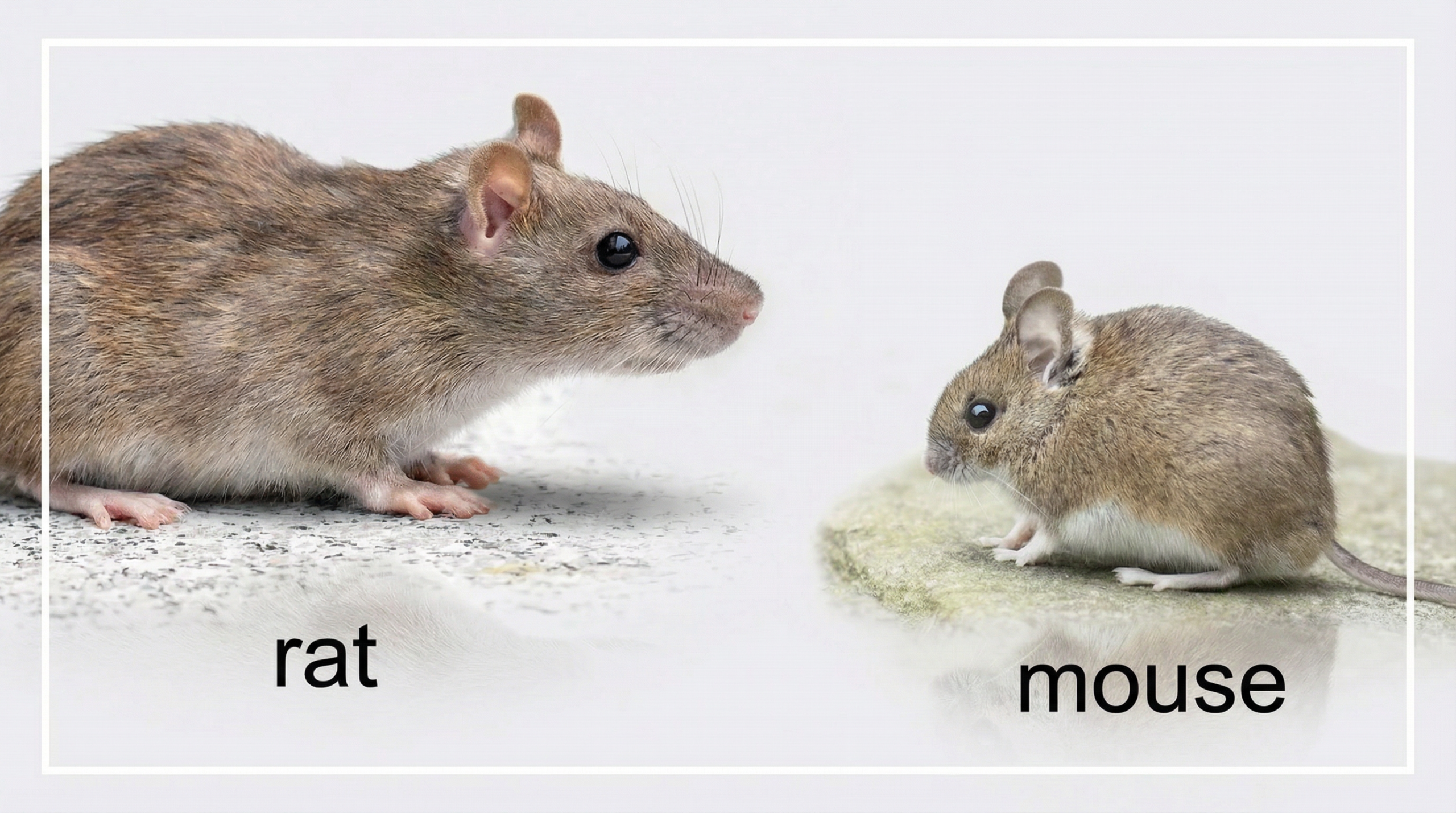
I am sure most of you may have thought that rats and mice are the same. But they are not. There are some differences between the two. They look very similar to each other, but they leave clear signs behind. And once you spot them, you’ll know what you’re dealing with.
Size Matters A Lot
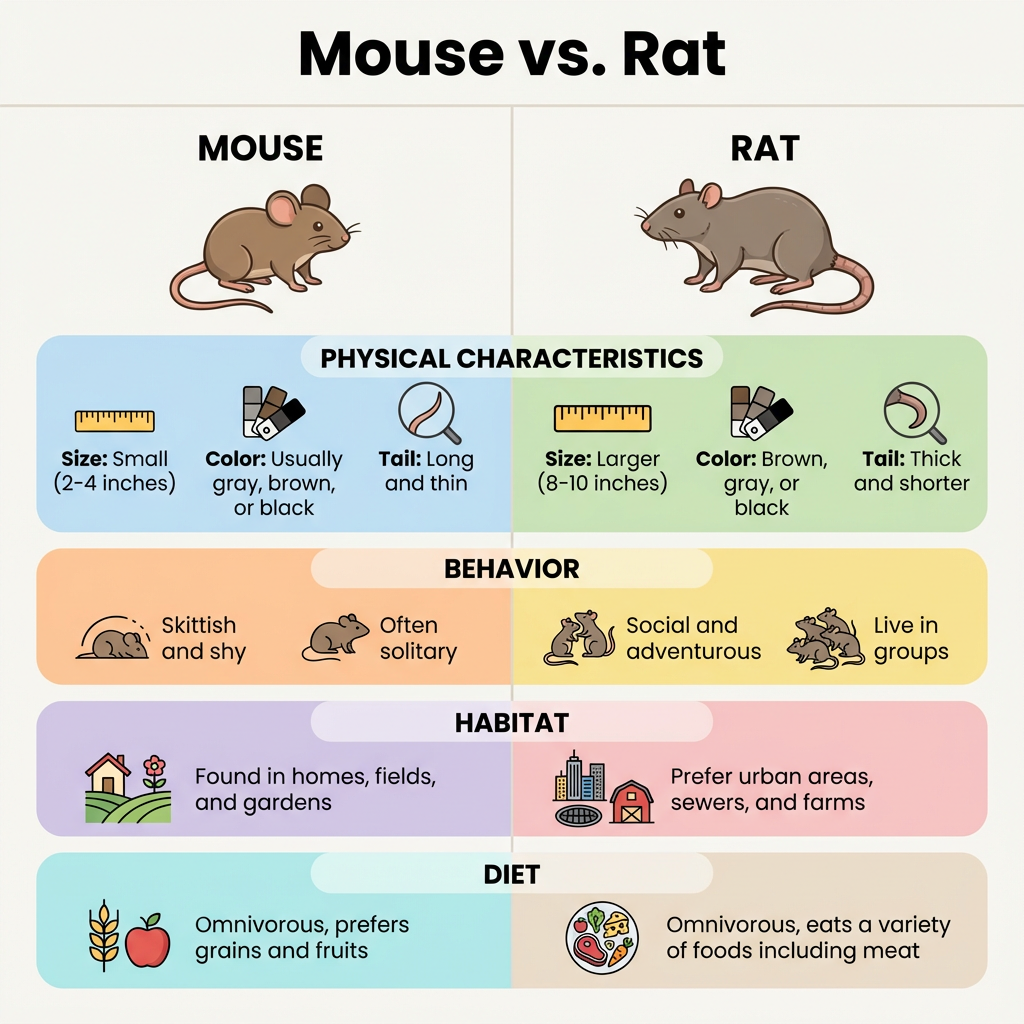
Let’s start with the size. Rats are the bigger roommate you did not invite. They can stretch about 16 inches long with the tail and can even weigh around 14 ounces.
Mice, on the other hand, are small and fast. They usually max out at 8 inches long, including the tail, and weigh less than an ounce. Their ears also seem big for their head. Their snout looks sharper, too. It can look harmless and cute until you find chew marks in your pantry.
Next up are their tails. Rat tails look thick and scaly. And the mouse tails look thin and narrow. Tail length helps too. A mouse’s tail is about the same length as its body. A rat’s tail is often shorter than its body. And so in this way, you can figure out the difference.
Poop Clues
No one wakes up excited to study droppings. But still, it’s one of the clearest signs you can use, and it saves time.
Mouse droppings look like tiny dark rice grains. They are about ¼ inch long, and the ends look pointy. You often see many in one area. At the same time, mice leave them as they explore and snack.
Rat droppings are larger and easier to spot. They are about ¾ inch long. That’s close to a bean, and they may curve a little too. Fresh droppings from both pests can look dark and shiny. And the old ones may even look gray and crumbly.
Food Thieves With Different Tastes
Their food choices offer clues, too.
Mice usually love grains and cereals. If you find that someone nibbles into your cereal boxes or pasta packages, that could probably be a mouse! They’re lazy diners too, as they eat right where they find food.
Rats, on the other hand, prefer fruits and veggies. If you find missing bananas, tomatoes, or avocados from your counter, that could probably be the rats! They also need lots of water daily, and so pet water bowls might show signs of visitors.
Behavior Patterns
Mice are basically creatures of habit. They build nests close to food sources and rarely venture more than 10-30 feet from home. They’re also neat freaks who often groom themselves.
Rats, on the other hand, are bold explorers. They can travel over a mile in! They’re also neater than mice and follow the same paths along walls night after night. And for this reason, they usually leave dark and greasy marks from their fur.
Other Telltale Signs
Look for these additional clues:
- Gnaw marks – Mouse teeth leave tiny marks about ⅛ inch. Rat teeth leave larger, rougher holes. It is usually about the size of a quarter.
- Nests – Mice tear up paper, string, and fabric to make indoor nests. Rats tend to dig outside or nest in attics.
- Sounds – Both can make scratching and scurrying sounds at night.
- Smells – Rats often leave a strong musky odor. A big infestation can stink up a space.
- Pet behavior – Pets often notice rodents before you do. Your dog may sniff one spot over and over. Your cat may freeze and stare at a wall.
Why Knowing The Difference Matters
Getting rid of mice vs. rats takes different moves. Mice can squeeze through holes as small as a dime. Rats, on the other hand, may need openings closer to quarter size. Mouse traps may not stop a big rat. But the rat traps can be too much for a tiny mouse.
Both pests can spread disease. They are also known to damage your home by chewing wires, pipes, and insulation. And both can multiply fast. A female mouse can have up to 10 litters per year, with 5-6 babies per litter.
With this info, you can now easily spot your rodent guest and take back your home.
How to Remove a Bird From Your House Safely (Without Injury)
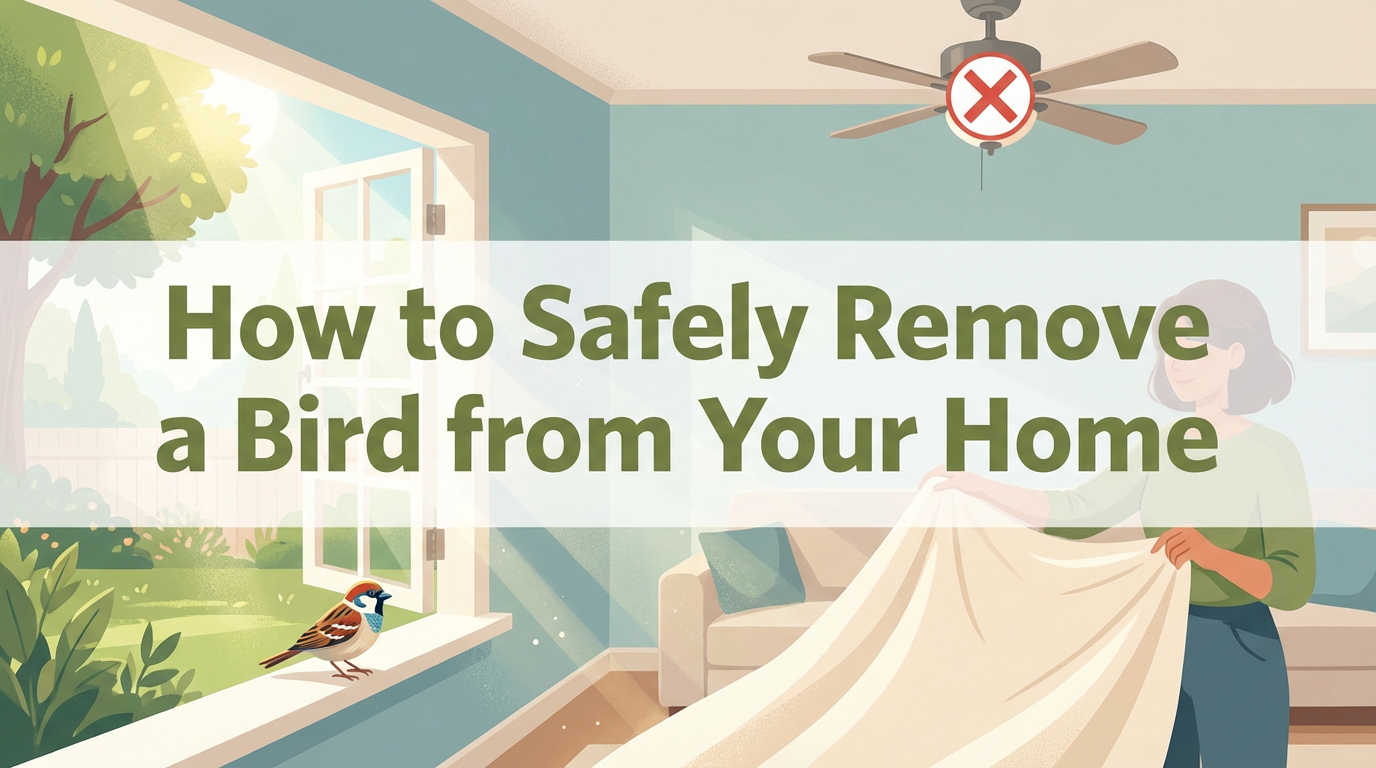
I am sure you must have experienced it before a bird flying into your living room and flapping around, bumping into walls, and leaving poops all over your furniture. You don’t have to panic, as this can happen more than you’d guess. There’s a simple way to handle it without anyone getting hurt – you or the bird.

Why Birds Visit Your Home Uninvited
Birds don’t deliberately come inside your house. They’re just following their instincts. Bright indoor lights can trick them. And that can happen especially at night. They usually come inside if you let your doors open. Sometimes, even the smell of food from your kitchen might lure them in.
These mistakes are often made by young birds. They’re still learning to fly and can take a wrong turn. Sometimes they might even see their reflection in a window and fly straight toward it. And in the cool weather, your warm and cozy house may look like the perfect spot to rest.
Smart Steps to Get That Bird Out
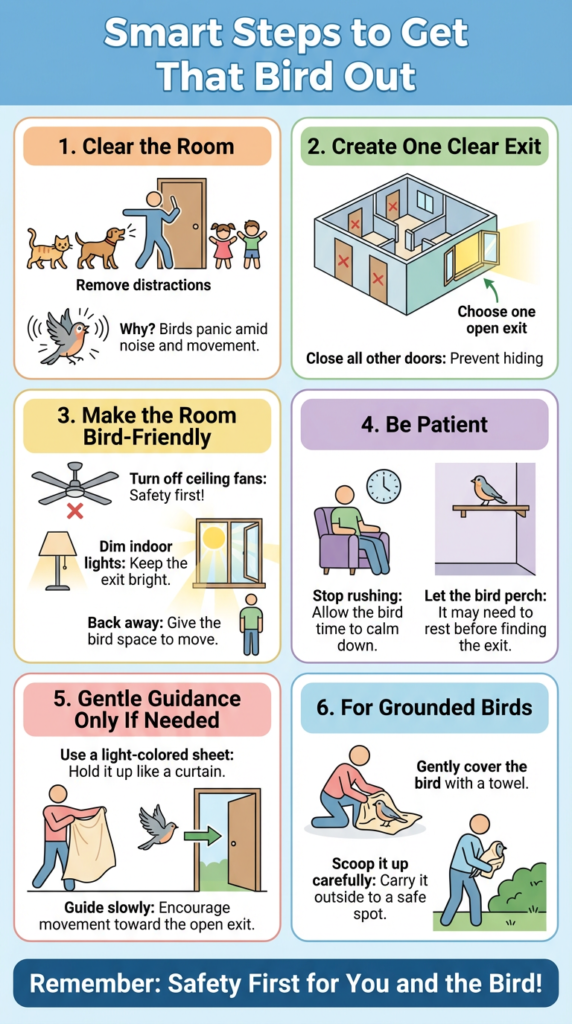
Clear the Room
First things first, you will need to get everyone out! It can be your curious cat, barking dog, or even excited kids. You need to do this because their presence will only make things worse. Birds panic when surrounded by noise and movement, and this can make the situation much worse. And so it’s better to clear the room first.
A scared bird might hurt itself trying to escape if your pet is jumping around. So you need to keep it simple. Just you and the bird. That’s it.
Create One Clear Exit
This is very important! You need to close all the doors that lead deeper into your house. You don’t want that bird hiding in your bedroom or bathroom.
Now pick one window or door that leads outside and then open it wide. That one window or door is going to be the bird’s escape route.
Make the Room Bird-Friendly
One important thing you need to do is to turn off those ceiling fans right now! They can be dangerous and may even kill the bird. Also, dim the indoor lights but keep that exit bright and sunny. Birds naturally fly toward light and open spaces.
You also need to give your feathery visitor some breathing room. Don’t stand near the exit you created. Back away and let nature do its thing.
Be Patient
Now comes the hardest part: waiting. Birds need time to calm down and spot that exit. Stop rushing around and just be still. Birds can sense your energy. If your movement is non-threatening, the bird will relax.
Some birds might perch somewhere high to catch their breath. Good. That perch is their pause button. So let them rest. They will start scanning for a way out when they feel safe enough
Gentle Guidance Only If Needed
If that stubborn bird still won’t leave after 15 minutes, try grabbing a light-colored sheet or towel. Hold it up like a wide curtain. Don’t try swinging at it. Then walk slowly toward the bird. Guide it toward the open window or door.
Use the sheet as a soft guide on one side. The bird will usually move away from it and head toward the open space.
For Grounded Birds
Sometimes a bird gets tired and lands on the floor. If this happens, gently place a towel over it. Then scoop it up with steady hands and carry it outside. Set it down in a safe spot away from cats.
Keep Birds Out Next Time
Once the bird has left, you need to take the following steps to prevent future visits:
- Check for holes in screens and fix them
- Install caps on chimneys
- Keep doors closed when not in use
- Put decals on windows so birds see the glass
- Close curtains at night to block indoor light
Rodent-Proofing Your Home: Sealing Gaps, Vents, and Utility Lines
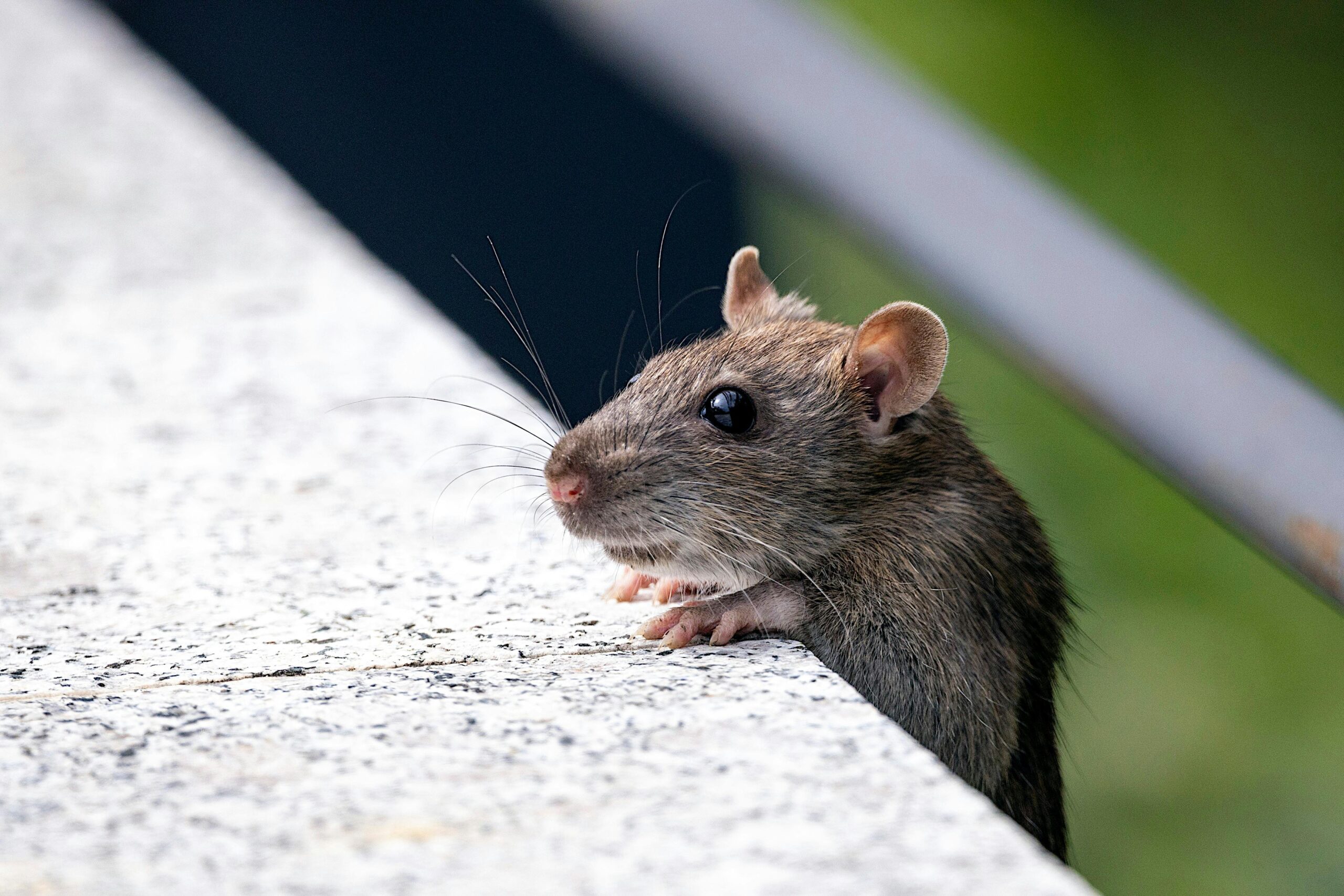
Rodents are known to slip into your home through the smallest gaps. They can be very good at finding those small gaps. They can even squeeze through a hole the size of a pencil. Just a quarter-inch. In this article, we will have a look at ways to shut it down and keep your home rodent-free. A gap that is just enough will allow them to go inside. For this reason, in this article, we will look at ways to shut it down and keep your home rodent-free by sealing those entry points.
Where Are Those Pesky Rodents Getting In?
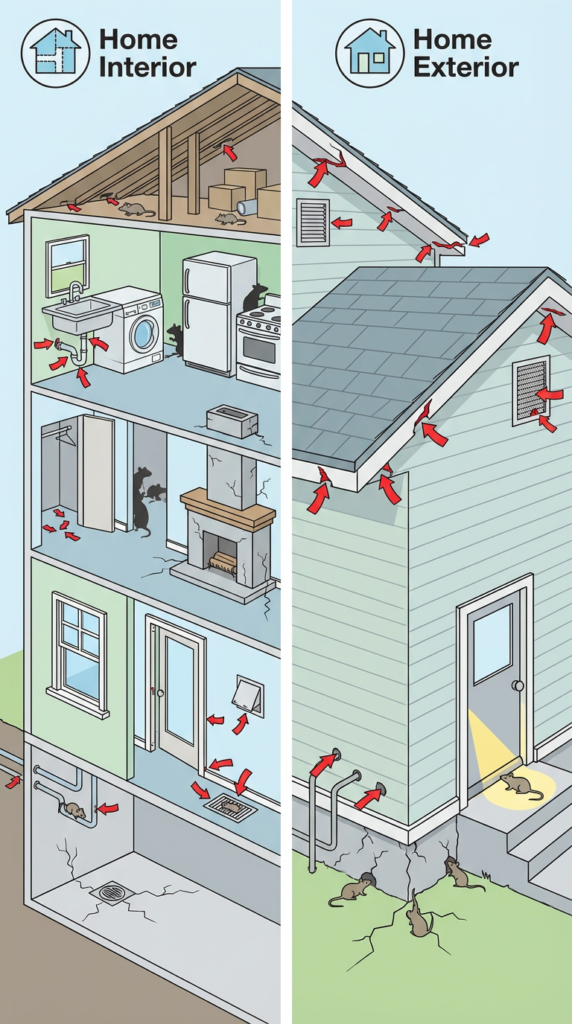
First, act like a detective. First, you need to hunt for every spot a mouse could use. So grab a flashlight and then check these common rodent gateways:
Inside Your Home:
- Around pipes under sinks and washing machines
- Behind kitchen appliances
- Floor areas in closets, especially in corners
- Around fireplace openings
- Door and window frames
- Dryer vents and floor air vents
- Where utility lines enter your home
- Attic spaces and rafters
- Basement corners and floor drains
Outside Your Home:
- Foundation cracks where the house meets the ground
- Roof edges, eaves, and soffits
- Attic and crawl space vents
- Door sweeps with gaps
- Holes for electrical, plumbing, and gas lines
Seal It Up
Once you are done with the above, you need to block those entries! Here’s what you’ll need:
Must-Have Materials:
- Steel wool (medium grade or better)
- Copper mesh
- Wire mesh screens (¼-inch thick)
- All-weather caulk
- Door sweeps
- Vent covers
Handy Tools:
- Wire cutters
- Screwdriver
- Utility knife
- Caulk gun
- Pliers
- Power drill (for bigger jobs)
DIY Rodent Blockade
Tiny Holes and Cracks
If you come across a small opening, grab some steel wool first. They are very effective. Stuff it into gaps, then caulk to hold it in place. Mice really hate chewing through steel wool as it hurts their teeth and gums. And so this is one of the best ways.
Around Pipes and Utility Lines
These can act as a road for rodents into your home! And so you need first to grab some copper mesh, ball it up, and stuff it around pipes where they enter walls. You can also use your screwdriver to pack it in tight. And finally seal with caulk for a finished look.
Drafty Door Gaps
If you can slide a pencil under your door, a mouse can do it too! And for this reason, install door sweeps that sit flush against the floor. You’ll need to keep adjusting until no light shines through. This also helps with energy bills, which is a bonus.
Dryer Vents
These are like rodent welcome signs. Make sure vent flaps close properly and aren’t stuck open with lint. Install a metal vent screen (not plastic because they’ll chew right through it). Try to clean vents regularly to keep them from closing properly.
Foundation Cracks
Cut wire mesh to cover the opening if you have bigger foundation issues, and then secure it with masonry screws if needed. This creates a barrier that even determined rodents can’t breach.
Timing is Everything
Fall can be the perfect time to be rodent-proof. When the temperatures drop, mice and rats start looking for warm winter homes. And so don’t let yours be on their list! Therefore, you need to get these jobs done before the first cold snap hits.
Beyond Sealing
Sealing gaps is just part of the battle. Don’t invite rodents with:
- Open food containers in pantries
- Pet food left out overnight
- Overflowing trash cans
- Woodpiles against the house
- Bird feeders are too close to your home
- Tall grass or brush near your foundation
Also, keep your yard tidy and food sealed up tight, as this gives rodents fewer reasons to check out your newly sealed home.
Chipmunks in Foundations: How They Get In and How to Stop Them

A chipmunk can be a very cute animal for two seconds. Then it starts digging near your home, and the charm fades. In this article, we will look at how chipmunks get into your foundation and how to keep them out for good.
Meet the Chipmunk
Chipmunks are small rodents. They have reddish-brown coats and three dark stripes down their backs. They look small but can move very fast. You’ll often see them running with their tails held high.
They love wooded spots. But they can also move into backyards with ease. They usually settle down in a quiet corner by the porch or even on a pile of leaves.
The Underground Empire

Chipmunks are serious diggers and can create amazing tunnel systems that can stretch up to 30 feet long! These burrows have multiple rooms and usually have several exits. They can even hide the dirt they dig out. And so you might not even notice their home-building project until it’s too late.
They are known to place their main doorway near stumps, logs, large rocks, or even your home’s foundation. That’s where your problems begin.
Breaking and Entering
So how do these Chipmunks get into your foundation? They are masters at finding or creating entry points:
- Gaps where utility lines enter your house
- Cracks in the foundation
- Spaces under porches or decks
- Holes in siding
- Loose or damaged vents
Once they find these openings, they might expand them or simply use them as doorways to their new house.
Damage They Cause
Chipmunks can do some serious damage. And some of them are as follows.
- Clog rain gutter downspouts
- Dig tunnels that cause walkways or patios to sink
- Chew through wires and cables
- Damage flower bulbs and garden plants
- Create entry points for water and other pests
But chipmunks don’t usually cause major structural damage. But they can surely create annoying and costly problems if left unchecked.
Keeping Chipmunks Out
Let’s look at some of the ways to stop these cute troublemakers from turning your foundation into Swiss cheese.
Seal All Entry Points
Walk around your home’s foundation and look for any possible entry points. Seal holes with steel wool, caulk, or 1/4-inch wire mesh. Pay special attention to areas where:
- Pipes enter your home
- Gas lines connect
- Cable or internet wires come in
- Dryer vents exit the house
- Downspouts connect to your foundation
And don’t forget to check your rain gutter downspouts! Chipmunks love these as hideaways. Add mesh covers, but clean them regularly to prevent clogs.
Create a Barrier Zone
Chipmunks really hate crossing open areas with no cover. You need to create a gravel or rock border around your foundation, approximately 2-3 feet wide. This creates a “no-man’s land,” and they’ll be afraid to cross.
Remove piles of wood, rocks, or dense plants near your foundation, too. These provide chipmunks with ideal hiding spots as they plan their break-in.
Landscape Smartly
Your garden choices can also help keep chipmunks away:
- Plant daffodils or allium bulbs instead of tulips because chipmunks don’t like them
- Keep bird feeders far from your house
- Clean up fallen seeds and nuts regularly
- Use bulb cages to protect your plantings
Removal Options

If a chipmunk gets inside your house, stay calm. It did not move in on purpose. Open a window or door in the same room. Turn off the noise. Then give it time to find the exit.
Live traps with peanut butter are a strong option for chipmunks outdoors. Place one near a burrow entrance. Or set it beside a fence line or path they follow. Check the trap often. Please check your local rules first. Many areas prohibit trapping and relocating wildlife.
Also, remember this. Prevention beats removal every time. Seal gaps and small holes so they can’t get in again. Make your yard less inviting, too. Then you can enjoy chipmunks from a distance, and not from inside your walls.
Bat Guano Cleanup: Safety, Risks, and When to Call a Pro

Have you found bats living in your attic recently? Those little night fliers do help with bugs, but they also leave behind guano, also known as bat poop. And it is not just gross, but it can also be risky for your health. Let’s go over some important safe cleanup steps and when it’s smarter to call a professional.
Why Bat Poop Is a Serious Problem?
Bat droppings can look like mouse poop at first. They are small, pellet-shaped, and often dark brown or gray. But the main problem is that the bat guano can carry a fungus called Histoplasma capsulatum.
The droppings can become brittle and crumble when they dry. And you can kick spores into the air if you try to sweep or vacuum them. And you can also develop a lung infection called histoplasmosis if you inhale them.
There are other health risks, too. Guano can carry bacteria and parasites. And those can lead to different illnesses. And then there’s the smell. It has a sharp ammonia odor that can fill the space fast. Although they are small, they can sometimes irritate your lungs.
Safety First: DIY Cleanup Basics
If you are planning to clean up a small amount yourself, then here are some must-follow safety rules:
Never Ever:
- Sweep or vacuum dry guano
- Touch the stuff with your bare hands
- Work without proper breathing protection
Always:
- Wear thick rubber gloves
- Put on an N95 mask or respirator
- Cover your eyes with goggles
- Wear old clothes that cover all skin
How to Clean Up Small Amounts
You need to be very careful if you are planning to clean even a small amount of guano
- Spray the droppings with water and disinfectant.
- Use paper towels to scoop up the wet droppings. Be gentle.
- Drop everything into a sealed plastic bag.
- Wipe the area with disinfectant after all visible guano has been removed.
- Seal and dispose of all cleanup materials properly.
Please remember to keep that mask on at all times. And, if possible, open windows to let fresh air flow through the space.
When to Call the Pros

DIY is fine for tiny spots of guano. But for bigger problems, it’s time to pick up the phone. You need to call a professional if:
- You find piles of guano instead of scattered droppings
- The affected area is bigger than a few square feet
- The droppings have been there a long time
- You spot guano in your home’s insulation
- You have breathing issues or a weak immune system
- The smell is overwhelming
Professional cleaners bring HEPA vacuums and commercial-grade disinfectants. They remove contaminated insulation safely. They also seal off the work area to prevent guano dust from drifting around your home.
The Professional Cleanup Process
The guano cleanup involves the following process:
- Set up containment areas to prevent cross-contamination
- Use special vacuums that trap tiny particles
- Apply enzyme-based cleaners that break down organic matter
- Remove and replace contaminated insulation
- Disinfect the entire area
- Test the air quality afterward
This thorough approach does cost money, but it will also give you peace of mind. And most importantly, it will protect your health.
How to Safely Handle Bees and Wasps in Your Garden
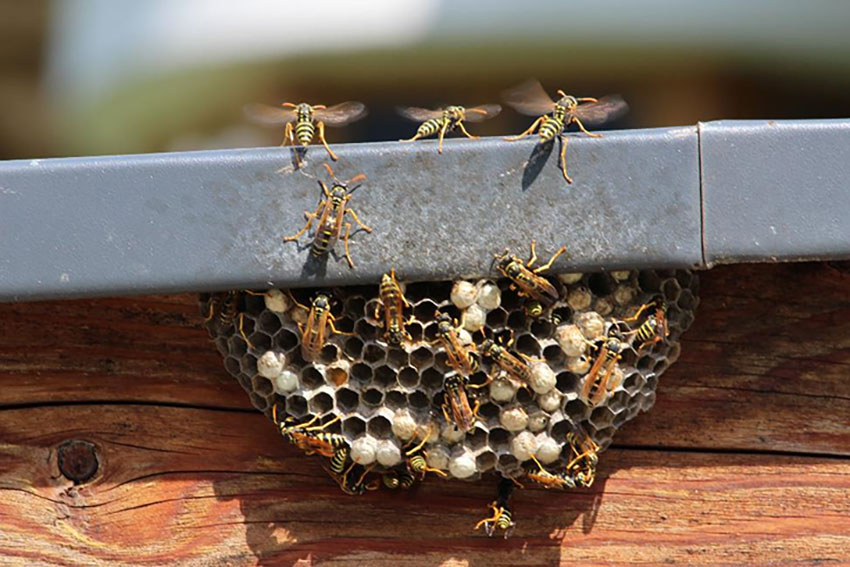
Dealing with bees and wasps in your garden is a delicate business because, whatever you do, these insects are important pollinators and keepers of ecological balance. Their presence can sometimes cause concern about stings, however. Learning how to live safely with them is key. Here’s a guide to safely handling bees and wasps in your garden.
1. Understand the Importance of Bees and Wasps
First, it’s important to acknowledge that bees and wasps are important to your garden. Our plants need to reproduce — and so do honeybees and native species — and bees do this for us, by pollinating. However, wasps are natural pest controllers and eat insects such as caterpillars and aphids. Knowing what their role is can help you be more tolerant of their presence.
2. Identify the Species
Knowing the difference between bees and wasps can help you know what to do. Generally, bees are rounder and fuzzier, while wasps have more slender bodies and smooth skin. Honeybees are generally not aggressive unless provoked, while some wasp species are more territorial. Knowing the species can help you decide how to deal with them in your garden.
3. Observe from a Distance
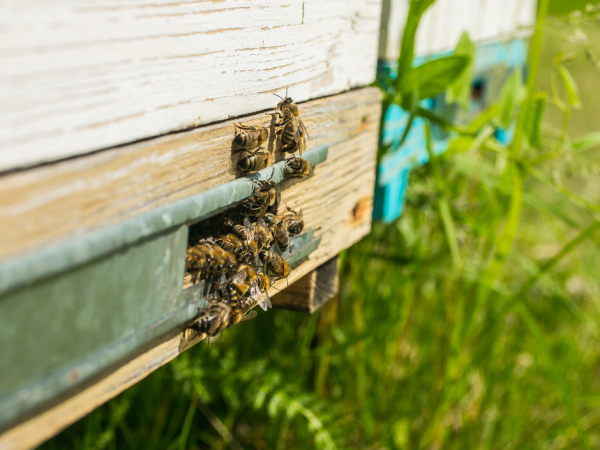
If you see bees or wasps in your garden, it’s best to watch them from a safe distance. They are busy foraging for nectar or hunting pests and will pay you no heed if left undisturbed most of the time. Do not make any sudden movements or loud noises that will scare them.
4. Wear Protective Clothing
If bees or wasps are active in areas where you must work, wear protective clothing. Dark colors attract their attention more than light colors. Wearing long sleeves, pants, and closed-toe shoes will give an extra layer of protection from accidental stings.
5. Avoid Strong Scents
Strong scents — perfumes, scented lotions, even some food odors — attract bees and wasps. If you’re working in your garden, choose unscented products so you don’t attract them. Also, don’t wear brightly colored clothing that could be confused with flowers.
6. Use Natural Deterrents
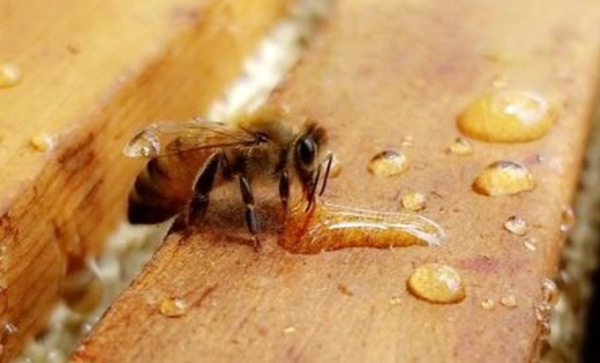
Natural deterrents such as peppermint oil and vinegar solutions will keep wasps out of certain areas without harming them, if you want to keep them out without killing them. Spraying these around areas where you don’t want wasps can get them to relocate without hurting them.
7. Create Bee-Friendly Habitats
Having bees in your garden is good for the ecosystem. Planting native flowers that bloom at different times during the season helps provide food for bees, reducing competition between bees and wasps for food and shelter. We can also create habitats such as bee hotels to support solitary bee species.
8. Know When to Call Professionals
If you come across a big nest of wasps or aggressive behavior from bees or wasps, it’s probably best to call in the pros to take them away. It is not advisable to handle large nests yourself, as you may get several stings and even serious allergic reactions.
9. Educate Yourself and Others
The more you know about bee and wasp behavior, the less fearful they will be. Create the conditions in which they do not feel threatened and will not sting. Spread the word back to family and friends to create a community that understands the value of these amazing bees and doesn’t fear them.
In summary, you should understand the value of bees to our planet, identify the species, observe them from a distance, and take preventive measures to handle bees and wasps safely in your garden. One of the most important ways to do this is to create a harmonious environment for pollinators and pest controllers alike, without creating unnecessary risk for stings, and still have a thriving garden ecosystem that both humans and wildlife alike can enjoy.
The Benefits of Professional Wildlife Removal Services
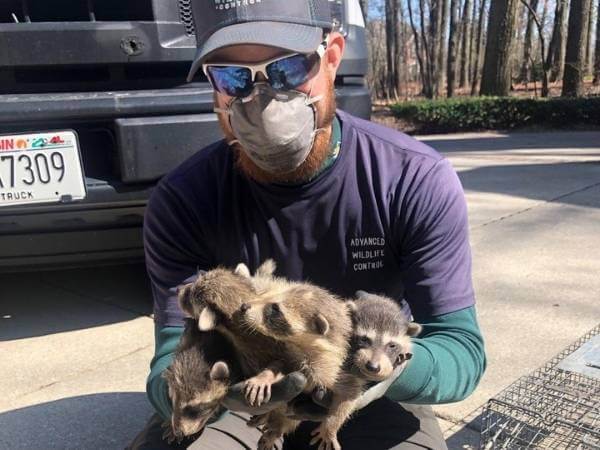
If you are a homeowner, dealing with wildlife intrusions can be difficult. While a few may be tempted to handle the problem themselves, professional wildlife removal services offer many benefits, providing an effective and humane solution. Let’s take a closer look at why hiring a professional is usually the best choice.
1. Expertise and Experience
Professional wildlife removal services have extensive experience and expertise. Trained specialists understand animal behavior and can recognize the species involved and accurately assess the extent of the problem. With their knowledge, they can put in place appropriate tactics tailored to the specific situation to ensure wildlife is removed safely and efficiently.
2. Safe and Humane Methods
Another benefit of hiring professionals is that they are humane removers. Reputable professional wildlife removal companies prioritize wildlife’s well-being and aim to minimize stress and harm. They use traps that do not injure animals and that can be safely relocated. Protecting animals with this humane approach remains compatible with ethical wildlife management.
3. Prevention of Future Infestations
In addition to removal, professional services usually include prevention measures to keep wildlife from reentering. Experts can assess your property, identify where animals may have entered, and find ways to address those vulnerabilities. Recommendations are provided for sealing these openings and reducing attractants, including food sources and shelter, through landscaping changes or other modifications.
4. Health Risk Mitigation
Diseases carried by wildlife can be a major health risk. For example, rodents, raccoons, and bats can spread illnesses such as hantavirus, leptospirosis, or rabies. These risks are handled safely by professional wildlife removal services. When they encounter dangerous circumstances, they put on protective gear and may even pick up any droppings or nesting materials that could pose a hazard to humans and pets.
5. Legal Compliance
Many laws in different regions protect and remove wildlife. These regulations are largely familiar to professionals due to their strict oversight of removal procedures. It helps avoid legal trouble by ensuring we do not mishandle or relocate protected species.
6. Time and Cost Efficiency
If not done right, DIY wildlife removal can be both time-consuming and costly. Our team moves quickly and delivers solutions promptly. While hiring experts does come with an upfront cost, the benefit is that it can save a homeowner money in the long run by preventing further damage to a property or an additional infestation.
7. Peace of Mind
One of the greatest benefits of hiring professional wildlife removal services, perhaps, is the peace of mind. Homeowners can be confident that trained experts are handling the situation, so they don’t have to deal with unwanted wildlife. From assessment to removal and prevention, everything is handled by professionals.
8. Education on Coexistence
Homeowners are often educated by professional services about local wildlife and how to live in harmony with them. Learning how animals behave can help you avoid future incidents and deepen your appreciation for nature.
This concludes that there are several advantages to professional wildlife removal services, including expertise, humane removal methods, health risk mitigation, legal compliance, and peace of mind. Homeowners can address current intrusions by hiring wildlife management professionals and taking steps to prevent future intrusions, thereby ensuring a safe, peaceful way of life for both people and animals.
Emergency Steps to Take When You Encounter a Wild Animal

Meeting a wild animal can be exhilarating and shocking. Whether you are hiking in the woods or walking in your neighborhood, learning how to respond can keep you both safe. If you run into a wild animal, here are some emergency steps to take.
1. Stay Calm and Assess the Situation
The first thing is to keep calm. Assess the situation for a moment. We are more afraid of them than they are of us, for most wild animals. If the animal is passing by, then you’re better off keeping your distance and letting it go. Make no sudden movements or loud noises that may frighten the animal.
2. Maintain Your Distance
It’s important to keep a safe distance. Moreover, wild animals can be unpredictable; most of the time, they react when they feel threatened or cornered. If you have your phone or binoculars, observe the animal from a distance. A good rule of thumb is to stay at least 100 yards from a large animal such as a deer or bear, and 50 yards from a small animal such as a raccoon or coyote.
3. Do Not Feed the Animal
Feeding wild animals can put you and the animals in dangerous situations. Having them lose their natural fear of humans has a legitimate impact because it will make future encounters with them more difficult. Moreover, many foods aren’t good for their diet, and they can cause animals many health issues. If you have food with you, secure it and don’t try to attract wildlife.

4. Make Your Presence Known
If you come across an animal, either it approaches you or looks curious about you, make yourself known, but not aggressively. Wave your arms and stand tall, and speak calmly and firmly. It can help you assert dominance and push the animal back (in some cases). Some animals may regard direct eye contact as a challenge; avoid it.
5. Back Away Slowly
If the animal doesn’t leave when you’ve made your presence known, back away slowly, keeping your eyes on it. Don’t turn your back on the animal or run, as this may trigger a chase response. Walk away calmly and steadily until you feel safe.
6. Identify the Species
Knowing what type of wild animal you’re dealing with can help you know how to respond. First, research common wildlife behaviors and characteristics so you can tell if an animal is behaving unusually aggressively or distressed. For example, an injured animal might be more dangerous because it feels threatened.
7. Seek Shelter if Necessary
If you’re in a really bad situation, like you’re running into a bear or a big predator, get out of the line of fire if you can. Although dangerous, climbing a tree or moving into a nearby building can offer you safety until the animal leaves the area.
8. Contact Local Authorities
Contact local wildlife authorities or animal control if the encounter escalates or if an aggressive animal presents a threat to public safety. The truth is, they are trained for these situations and know how to proceed safely.
9. Educate Yourself Post-Encounter
After any close encounter with wildlife, take time to learn about local species and their behaviors. Knowing how to share space with wildlife will prevent future encounters from becoming emergencies.
Finally, acquiring a grasp on how to respond to meeting a wild animal is fundamental to keeping yourself and the animal safe. Staying calm, staying a distance, and making yourself visible go a long way toward successful encounters with wildlife. If you need help, just ask.
How to Create a Wildlife-Friendly Yard Without Attracting Pests

Having a wildlife-friendly yard improves biodiversity and provides needed habitats for local species. But you must plan the garden so it attracts beneficial wildlife without increasing the risk of pests. Here’s how to get that balance.
1. Choose Native Plants
One of the best ways to create a wildlife-friendly yard is to select native plants. They are adapted to the local environment and provide food and shelter for local wildlife, such as birds, butterflies, and beneficial insects. A number of flowering plants are introduced that bloom at different times, ensuring food is available all year round. This diversity provides habitat for wildlife and reduces the potential for conducive pest habitat, as native plants usually require less maintenance and fewer chemical inputs.
2. Create Layered Plantings
Including ground covers, shrubs, and trees in this way creates a full suite of vegetation that resembles natural ecosystems and provides habitat diversity. This multi-layered approach offers different feeding and nesting opportunities for different species. Birds may find taller plants for shelter, and small mammals can hide in ground covers. Increasing vertical layering makes your yard more inviting to wildlife and less inviting to pests that thrive in uniform landscapes.
3. Install Water Features
Another consideration is that water is essential for wildlife survival; therefore, including a birdbath, or at least a small pond, in your yard is always a good idea. These features provide birds and other animals with opportunities to drink and bathe. Allow small creatures safe access to a shallow water source. You can attract unwanted pests by not regularly cleaning the water features, as they can breed mosquitoes.
4. Provide Shelter and Nesting Sites

You can create shelters for animals, like birdhouses, bat boxes, or insect hotels, to attract them to your yard and make it their home. They (these structures) also offer the safety of nesting sites and predator protection. Install these shelters in quiet areas, away from heavy human activity. Leaving areas of your garden wild, with some brush piles or uncut grass, also provides natural habitats for small mammals and ground-nesting birds.
5. Limit Lawn Areas
Traditional lawns have little ecological value and require extensive maintenance. Eliminating lawn space and replacing it with native wildflowers or ground covers would be more wildlife-friendly. These alternatives, in addition to providing food and habitat, reduce the need for fertilizers and pesticides, which attract pests.
6. Implement Natural Pest Control
You can encourage beneficial insects, such as ladybugs, to help control pest populations naturally. Herbs, such as basil or dill, can attract helpful insects while repelling harmful ones. Stay away from chemical pesticides, which often kill good wildlife and pollinators.
7. Educate Your Community
You can promote awareness to create wildlife-friendly spaces in your community. Tell neighbors how to design their gardens to support local wildlife without attracting pests. Community workshops or planting days can help communities collaborate and positively impact local biodiversity.
8. Monitor Your Garden
Regularly observing your garden lets you spot emerging pest problems early. If you see signs of infestation or plant damage (you can do this with plants, too), look for organic methods to address it. It can also help you keep track of what wildlife species visit your yard so you can fine-tune gardening practices to better support them.
Finally, I conclude that creating a wildlife-friendly yard requires careful planning and implementing several strategies that foster biodiversity while discouraging pest attraction. Choose native plants, create layered habitats, install water sources, and invite beneficial insects, and you can create a local wildlife refuge, no matter how comfortable or pest-free you like your yard to be.
Understanding Local Wildlife: A Guide to Common Species

To have a symbiotic relationship between man and nature, we must first understand local wildlife. Knowing about some of the common species in your area can help you enjoy the environment and learn what to do and not to do with these animals. Here’s a guide to some of the most common wildlife species you may come across.
1. Birds

The most visible and diverse wildlife species are birds. Common types are sparrows, robins, and blue jays. Robins are small, social birds known for their blue and bluish gray backs, white throats and black heads, distinctive orange breasts, and beautiful songs. They are striking birds; blue jays are larger, with vivid blue plumage and loud calls. There’s nothing wrong with birdwatching as a hobby, and discovering the things they do and their habitats can be really rewarding.
2. Mammals
Squirrels, raccoons, and deer are often seen in suburban and rural areas. Eastern gray squirrels are agile and live in many habitats; they will raid bird feeders for seeds. They are nighttime scavengers with dexterous paws and masked faces, commonly seen rummaging through garbage cans. White-tailed deer are graceful creatures that may happily wander into a residential area for mating or because of a lack of food.
3. Reptiles and Amphibians

Turtles, snakes, frogs, and salamanders add to local biodiversity. Ponds and lakes are where you find painted turtles, basking on logs or rocks. Many people fear snakes, but most species are harmless; garter snakes are often seen slithering through gardens or grassy areas. Frogs and toads fulfill an important ecological role as predators or prey; their presence indicates a healthy ecosystem.
4. Insects
The insect group is the most numerous wildlife group, and they play important roles in pollination and decomposition. Examples of beneficial insects include bees, butterflies, and ladybugs, which help maintain healthy ecosystems. Butterflies give gardens color, and honeybees pollinate many crops and flowers. Ladybugs help control aphid populations and are valuable allies to gardeners.
5. Urban Wildlife

Because of human activities, urban areas have unique adaptations in wildlife. City parks are filled with pigeons, adapted well to urban life, living on scraps of food. In cities, coyotes have become increasingly common, searching the park’s green spaces for small mammals to hunt. A basic understanding of these adaptations can help reduce conflicts between humans and wildlife.
6. Conservation Awareness
Conservation goes hand in hand with understanding local wildlife. Habitat loss, pollution, and climate change are threatening many species. We can support wildlife organizations or participate in local conservation initiatives to protect these wild animals and their habitats. Small actions like planting native plants or creating bird-friendly spaces will make a big difference.
7. Observing Responsibly
If you are observing local wildlife, do so responsibly. For your and the animals’ safety, maintain a safe distance to avoid stressing or disrupting their natural behaviors. Don’t feed wildlife, as it can make them dependent on the food and start shaping their natural instincts.

This demonstrates the importance of sustaining our relationship with wildlife as local citizens, deepening our understanding of the world around us and our coexistence with other creatures. Familiarising yourself with common birds, mammals, reptiles, insects, and urban wildlife adaptations will enable you to appreciate the diversity around you and help you contribute to conservation efforts. To ensure future generations can enjoy the beauty of local wildlife as we do now, we should observe it responsibly.
What to Do If You Spot a Coyote in Your Neighborhood

If you spot a coyote in your neighborhood, it is a surprise, but you must stay cool and know what to do. By and large, coyotes are wary of people and keep a wide berth; however, knowing what to do can help you and the coyote both remain safe.
Stay Calm and Assess the Situation
The first time you see a coyote, take a moment to see what’s going on. Most coyotes are not aggressive and will probably move away if they detect human presence. Don’t panic; view the coyote from a safe distance. If it looks normal—walking or trotting away—then there’s no immediate cause for concern.
Do Not Approach or Feed the Coyote

You must never approach or try to feed a coyote. Doing so habituates them, making them less fearful of humans and more likely to wander into populated areas. This behavior puts humans and coyotes at risk of each other. If you see someone else trying to feed a coyote, kindly let them know about the dangers.
Make Your Presence Known
If a coyote doesn’t seem scared or even comes towards you, you need to let it know you’re there. Grow tall, make loud noises, and wave your arms to seem too big for conning. Suppose shouting or whistling scares the coyote away. Great! Throw small objects (not directly at the animal) to get it to vacate. It’s about reinforcing its natural fear of humans.
Keep Pets Safe
Small pets are potential prey for them. We recommend protecting your pets inside during dawn and dusk when coyotes are most active. If you have to let them go outside, make sure you supervise them and keep them on a leash. Please do not leave any food outside that may attract coyotes or other wildlife.
Secure Your Property
Securing your property forms the first step in preventing future encounters. Store garbage in tightly sealed containers and eliminate any food sources that may attract coyotes, including pet food, fallen fruit, or ground birdseed. Motion-activated lights can help keep coyotes out of your yard.
Educate Your Family
Make sure that everyone in your household knows what to do if they see a coyote. Tell children not to go near wild animals and why they should keep pets safe. Talking about these things will ready everyone for possible encounters and will encourage responsible behavior.
Report Aggressive Behavior

Note — If you see a coyote behaving in an aggressive manner (such as advancing toward people without fear or behaving strangely), call local wildlife officials or Animal Control. This allows them to monitor the situation and take action if needed.
Understand Coyote Behavior
Undoubtedly, coyotes are adaptable creatures; they certainly have found their way into urban areas. They are mostly nocturnal, but may be seen during the day, especially in spring when they are attending to their young. Knowing their behaviors helps to lessen fear and establish coexistence.
Promote Community Awareness
Ask your neighbors to take similar safety precautions regarding coyotes. Prevention of conflicts with wildlife depends on community awareness. A community approach to coexistence with coyotes can be encouraged through local meetings or neighborhood apps that organize information.
So, if you spot a coyote in your neighborhood, there’s no need to panic if you know how to respond. Staying calm, being assertive, not panicking over your property, and educating those around you can help you greet your new neighbor with a cool head and promote friendly coexistence among all in your community.
Humane Trapping Techniques: Keeping Your Property Safe

When wildlife has taken over your property, use humane trapping techniques to ensure the animals’ welfare and well-being. These methods enable you to address a potential infestation without causing harm. If you want your property to remain safe, here’s a guide to effective humane trapping techniques.
Understanding the Need for Humane Trapping
Encroachment of wildlife onto a property can cause multiple problems, including property damage and health risks. But you have to do it ethically. Humane trapping involves catching an animal without harming it or causing it distress, so it can be relocated safely. This method not only protects animals but also encourages a responsible approach to wildlife management.
Choosing the Right Trap
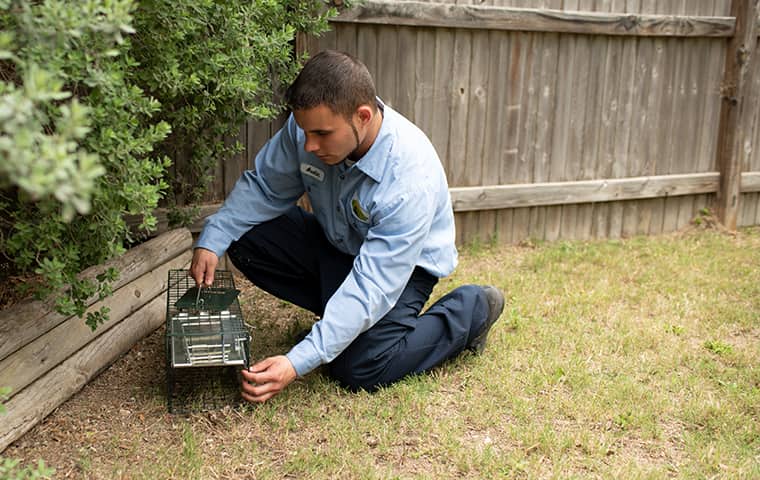
Successful humane trapping requires selecting the right trap. Live traps come in many types and catch animals without harming them. Check for traps that are set for the species you are dealing with, raccoons, squirrels, or rabbits. Make sure the trap is large enough to let the animal relax in its entirety, and made of strong enough materials to last in the outdoors.
Baiting Your Trap
The key to baiting effectively is to attract wildlife to your trap. For the specific species you want to capture, use food items that they find appealing. Peanut butter or sunflower seeds are good for squirrels, while marshmallows or cat food are good for raccoons. Put the bait at the back of the trap so the animal walks all the way in. Don’t use harmful substances or chemicals when baiting.
Setting Up Your Trap
When handling a humane trap, location is the key. Where have you noticed signs of wildlife activity: droppings, tracks, nests…? Place the trap along these pathways, having it set up at a level and secured. The trap can be made less conspicuous and more inviting for animals by covering it with leaves or grass. For safety, please ensure the trap is placed in a safe location, away from pets and children, to prevent accidental captures.

Monitoring Your Trap
Make sure to regularly check your trap to ensure any animals caught are not left inside too long. You should check traps at least twice a day. If you corner an animal, approach it calmly and make little or no sudden movements — sudden movements can stress the animal. If you can cover the trap with a cloth while you set up for relocation, it will help soothe the captured animal.
Relocating Captured Animals
Once you have humanely captured an animal, you then need to ensure you’re relocating it responsibly. It is a good idea to check with local authorities to determine the local regulations on wildlife relocation, as some areas are very specific about where and how animals can be released. But if you can, transport to a suitable habitat far enough away from residential areas that they will not return. Make sure to let them go on a good day and at a good time of day.

Preventing Future Encroachments
After successfully trapping and relocating wildlife, preventive measures, such as deterrents, should be implemented to prevent future encroachments. Close up any gaps in your fences or holes in your walls. Reduce the availability of food sources by bringing garbage inside and storing it in tightly sealed containers, and put pet food inside to discourage pests. Regular yard maintenance can also help reduce wildlife attractants.
To conclude, humane trapping techniques are an efficient method for addressing wildlife encroachment, with the added advantage of animal welfare. Selecting the right traps, using the appropriate bait, closely monitoring captures, and responsibly relocating animals will keep your property safe while adhering to ethical standards. Preventive measures will also help you live harmoniously with local wildlife while keeping your home and garden safe from damage.
The Best Strategies for Preventing Wildlife Encroachment

A harmonious relationship between humans and nature cannot be maintained unless wildlife encroachment is prevented. Wildlife habitats are being encroached on as urban areas grow, with conflicts that can be harmful to both wildlife and people, they said. The following are ways to stop the wildlife encroachment.
1. Secure Your Property
The most important first line of defense against wildlife encroachment is to secure your property. Ideally, you should inspect your home for gaps, cracks, or openings through which animals can enter. Plug these entry points with stuff like steel wool or caulk. Furthermore, make sure windows and doors are screened, and vents are covered. In addition, regularly maintaining your fences and gates can help deter larger animals from entering your yard.
2. Manage Food Sources
Easily accessible food sources always attract wildlife. To combat this attraction, store food in airtight containers and keep garbage in sealed bins with tight-fitting lids. Don’t leave pet food outside, and clean up any spills right away. If you have fruit trees, pets, or children, be sure to frequently pick up dropped fruit, as this will help prevent raccoons, deer, and other unwanted visitors from being attracted to your area.
3. Create a Wildlife-Friendly Landscape
It’s important to deter unwanted wildlife, but making your landscape less appealing to them can also help. Plant native plants that are less attractive to pests, and don’t plant species that produce too much fruit or seeds. It is also advisable to install barriers, such as thorny bushes, around the garden to deter animals from foraging there.
4. Implement Deterrents
There are several deterrents that will keep wildlife at bay without harm. Motion-activated lights or sprinklers will frighten animals away from your property. Also, sound deterrents such as ultrasonic devices are effective at repelling certain species. To deter herbivores from gardens, use natural repellents such as chili powder or predator urine.
5. Educate the Community
Preventing wildlife encroachment depends on community awareness. Conduct workshops or information sessions on local wildlife and the importance of coexistence. A community culture that prioritizes prevention can be nurtured through educating residents regarding waste disposal, gardening, and the effects of feeding wildlife.
6. Establish Buffer Zones
Buffer zones between wildlife habitats and human habitation can greatly reduce encounters. These zones could be vegetated areas on their own or include green spots that serve as safe places between urban areas and the fields. Protected zones help maintain ecological balance and reduce human-wildlife interaction.

7. Collaborate with Local Authorities
Local authorities can also be involved in preventing wildlife encroachment. Advocate for policies that promote sustainable land use and habitat conservation in your area. Support initiatives that work to restore natural habitats and create wildlife corridors that let animals move safely through without going through developments.
8. Monitor Wildlife Activity
Keeping an eye on wildlife activity on and around your property will help you detect potential problems before they escalate into conflicts. Arrange to have cameras positioned or to do periodic checks for animal presence (such as tracks or droppings). Early detection means timely intervention and implementation of preventive measures.
Finally, preventing wildlife encroachment is multifaceted and requires property management, community education, and working with local authorities. Securing your property, managing food sources, making the landscape less attractive, using deterrents, establishing buffer zones, and monitoring wildlife activity can greatly reduce the chance of conflicts with local wildlife and encourage coexistence in your community.
Essential Tools for DIY Animal Control: What You Need to Know

Wildlife management can be a challenge, especially when unwanted animals in your yard or home are causing problems. But the right tools can make the process safer and more effective. Here’s a guide to essential tools for DIY animal control to help you handle wildlife situations responsibly and effectively.
1. Catch Poles
Catch poles are a wonderful tool to safely catch an animal without hurting it. The tools are a long pole with a loop at one end, so you can secure the animal from a distance. Professional-grade catch poles can be purchased, or you can make your own using PVC pipe and rope for a cheap solution. Make sure the pole is solid and long enough to keep you out of harm’s way but still give you enough control to manage the animal.
2. Live Traps
Animals are best caught live with live traps. There are many sizes of these traps, and they are safe to use for animal relocation. When you are aware of the species you are dealing with, be it raccoons, squirrels, or feral cats, choosing traps that are suitable for the species is a must. Make sure the traps are made of tough materials and well ventilated so captured animals remain comfortable until release.
3. Gloves and Protective Gear
Personal safety is most important when handling wildlife. The thick gloves protect your hands from bites or scratches and give you a better grip on tools. Moreover, long sleeves and pants protect your skin from potentially stinging or scratching. Wear a face mask and goggles if you’re dealing with larger animals or animals whose diseases you may be susceptible to.
4. Animal Carriers
For safely transporting captured wildlife, an animal carrier is essential. Select a sturdy carrier that offers good ventilation and is big enough for the animal you are dealing with. Carriers should be easy to clean and secure enough so that carriers do not escape during transport. In particular, this tool is useful for relocating animals to a safe environment away from residential areas.
5. Snares and Ropes
Despite these efforts, snares can be an effective means of controlling certain types of wildlife, but should be used with care and in accordance with local regulations regarding their use. A strong rope can be used for many purposes—for securing traps or for safely handling captive animals. Any ropes or snares used should be suitable for the size and strength of the animal being handled.
6. Emergency Animal Rescue Kit
An emergency animal rescue kit is a handy thing to have on hand in case you find yourself in the presence of injured or stray animals. This kit should include the following items: a towel or blanket to wrap injured animals, food (such as wet cat food), water bowls, gauze bandages, and the numbers or contact information for local animal shelters and/or veterinarians. This kit will allow you to act quickly in emergencies if you keep it organized.

7. Cleaning Supplies
If you’ve handled wildlife, it’s important to clean any surface that may have been in contact with animals to avoid spreading disease. Have gloves, trash bags, disinfectants, and cleaning cloths ready to sanitize your workspace thoroughly afterward.
8. Knowledge Resources
And finally, do your homework and know about local wildlife species and humane handling techniques. Other books, online resources, and local wildlife organizations will offer guidance on how to handle specific situations most effectively.
Finally, having appropriate DIY animal control tools is not only safer but also more humane in wildlife treatment. Catch poles, live traps, protective gear, carriers, snares, emergency kits, cleaning supplies, and educational resources help you respectfully and responsibly manage wildlife encounters in a safe, informed way that promotes coexistence in your community.
Top 10 Common Wildlife Intruders in Urban Areas

With urbanization expanding, wildlife is moving into human habitats. Several species are now living in urban areas, adapting to protect food, shelter, and even breeding grounds within our urban environment. Some of these animals may be endearing, but some can be public safety and property problems. Below are the top ten common wildlife intruders in urban areas.
1. Raccoons
Adaptability and intelligence are well-known in raccoons. They are often found rummaging through trash cans and are opportunistic feeders, thriving in urban environments. They are a big nuisance to homeowners because their dexterous paws can open containers. In addition, raccoons can have diseases like rabies and can pose a real health risk to humans and pets.
2. Squirrels
They are common in urban parks and residential areas, seen darting across streets or foraging. Although they normally do not harm, they can chew through wires and insulation in attics and garages. While their playful antics are often welcome, they can become a problem when they invade homes.
3. Coyotes

Increasingly, coyotes have learned to live in the city, trotting through neighborhoods or parks. Skilled hunters, these can also be a hazard to small pets. While they are important for controlling rodent populations, they will also eat many beneficial insects. They are teaching communities how to live with these predators through responsible pet management and educating residents about what coyotes do.
4. Pigeons
Perhaps no other urban bird is more recognizable than the pigeon, which thrives in city landscapes because it can scavenge for its food. Large populations are not always harmless; unsightly droppings can damage buildings, and health risks abound through the potential spread of diseases such as histoplasmosis.
5. Opossums
Opossums are often misunderstood and lesser known. Being nocturnal, they actually help to control pests by eating ticks and small rodents. However, they are less likely to cause property damage than other intruders, but will rummage through garbage for food. Their defense mechanism of playing dead can be funny, but it works.
6. Stray Cats

Cats that have been abandoned on the streets, and often in colonies where there is food, are a common sight in many urban areas. Even though they can be effective tools in controlling rodent populations, they come at the expense of local wildlife, mainly birds. In my case, community efforts—e.g.,, TNR (trap, neuter, return) programs—help humanely manage stray cat populations and reduce their impact on native wildlife.
7. Snakes
Some snake species that love habitats near gardens or parks with good cover and prey do well in urban areas. Most snakes are non-venomous and good for controlling pest populations, but encounters with humans can cause fear or panic. That’s why it’s important to educate the public about local snake species and their role in our ecosystem.
8. Skunks
Suburban areas are where skunks are often found; they are often in gardens or trash cans looking for food. Skunks are known for their strong spray when threatened, and can be a real problem if they do. Other preventative measures to avoid encounters include securing garbage cans.
9. Foxes
Foxes have become very good at living in urban areas, and are often found scavenging in residential neighborhoods or parks. Their main diet consists of small mammals, and they will feed on pet food left outside and garbage scraps. Foxes are generally shy but become bolder when food is readily available.
10. Bats

Bats often roost in attics or under eaves of buildings, but they are natural pest control, eating insects such as mosquitoes. Although they are present very occasionally, there’s some concern about rabies and guano accumulation, which can damage property and pose health risks.
Conclusion
To coexist with wildlife, it’s important to understand the common wildlife intruders in urban areas. We can lessen the human conflicts and enjoy the diversity of life in these urban landscapes by implementing humane management and educating communities about these species’ needs and behaviors. This coexistence is not only good for wildlife, but also for us.
Understanding the Importance of Humane Animal Control Methods

Humane control of animals in our communities is essential to the well-being of both animals and humans. With more and more urbanization and human— wildlife interaction, the importance of effective, proven, compassionate animal control has never been greater. To this end, this article will discuss the importance of humane animal control methods, their benefits, and how these methodologies contribute to a harmonious coexistence between human beings, to the extent possible.
Defining Humane Animal Control
Humane animal control practices focus on animal welfare and on meeting the needs of public safety and animal populations. This approach entails handling animals and moving them with minimal stress and no damage. For example, through techniques such as trap-neuter-return (TNR) for feral cats, non-lethal wildlife traps, and community education programs, humane methods can respect animals’ rights while preserving community safety.
Benefits of Humane Methods

Promoting Animal Welfare
The promoting of animal welfare is one of the main benefits of humane animal control methods. Using non-lethal techniques, communities can reduce the suffering of stray or feral animals. For example, TNR programs trap, neuter, and return feral cats to their colonies, allowing them to live out their lives without reproducing and with a better quality of life. By using these methods, we can keep populations healthy and not resort to euthanasia, which can be traumatic for the animal and the community.
Enhancing Public Safety
Public safety is also served by humane animal control methods. Community stray management using humane practices can reduce the risks associated with aggressive or unhealthy animals. For instance, and most importantly, spaying or neutering pets reduces the number of unwanted litters, which may lead to more strays and more potential conflicts between people. In addition, educating the public about responsible pet ownership creates a more compassionate, aware population, which contributes to a safer neighborhood.
Building Community Trust
Using humane animal control methods can help improve public trust in animal control agencies. If your local authorities show compassion rather than cruelty, residents are more likely to follow suit and support animal welfare initiatives. Such a collaboration may help boost community participation in programs such as adoption events, volunteering at shelters, and classes on responsible pet care.
The Role of Education and Outreach

Humane animal control methods are dependent on education. Communities can foster a culture of responsibility by educating the public about the importance of spaying/neutering pets, properly caring for them, and responding to wildlife safely. Dispelling myths about certain species and promoting coexistence over conflict can be achieved through outreach programs.
Moreover, humane values could be encouraged in schools by incorporating them into curricula. Teaching children empathy towards animals helps them become responsible adults.
Conclusion
It is important to recognize that humane animal control methods help ensure that humane relationships can be created between humans and animals in our regions. Aside from being good for animal welfare, these practices also improve public safety and help build trust in the neighborhood. We can develop a culture that values compassion for all living things by focusing on education and outreach as well as humane strategies. Humane animal control methods will be necessary as we enter the new era of life that urbanization and changes in wildlife habitats are calling for, and as we continue to do so, their use will be paramount in encouraging a more harmonious way of life in our ever-changing world.